Understanding Cat Food Label Ingredients
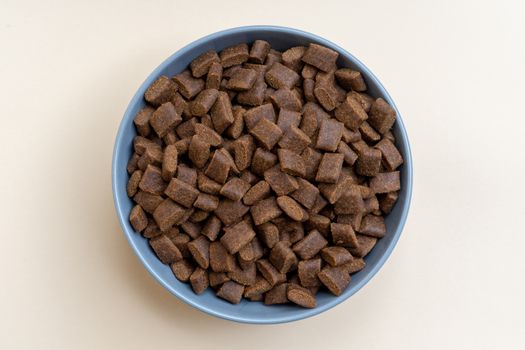
Introduction to Cat Food Label Ingredients Guide
As a responsible cat owner, understanding the ingredients in your cat’s food is crucial for their health and wellbeing. A Cat Food Label Ingredients Guide can help you navigate the complex world of feline nutrition. According to the American Animal Hospital Association, a well-balanced diet is essential for maintaining your cat’s overall health.
Understanding Meat by-Products: The Good, the Bad, and the Ugly
Meat by-products are a common ingredient in cat food, but what are they exactly? The American Animal Hospital Association (2019) defines meat by-products as parts of an animal that are not typically considered edible, such as organs and bones. While some meat by-products can be nutritious, others can be of lower quality and may contain fillers or by-products that are not easily digestible.
Here are some potential health benefits and red flags to watch out for:
- High-quality protein sources: Meat by-products can be a rich source of protein, essential for maintaining your cat’s muscle mass and overall health.
- Lower cost: Meat by-products are often cheaper than other protein sources, making them a more affordable option for cat food manufacturers.
- Potential for fillers: Some meat by-products may contain fillers or by-products that are not easily digestible, which can lead to digestive issues in cats.
- Lack of transparency: The term ‘meat by-products’ can be misleading, as it does not specify the exact source of the ingredients.
Taurine: The Essential Amino Acid in Cat Food
Taurine is an essential amino acid that plays a crucial role in feline health. According to the National Research Council (2006), taurine is essential for maintaining your cat’s heart health, vision, and reproductive system. Here are some potential sources of taurine in cat food and how to ensure your cat gets enough:
- Animal-based ingredients: Taurine is found in high amounts in animal-based ingredients such as chicken, fish, and beef.
- Synthetic taurine: Some cat food manufacturers may add synthetic taurine to their products to ensure adequate levels.
- Check the label: When selecting a cat food, make sure to check the label for taurine content and choose a product that meets your cat’s nutritional needs.
The Importance of Omega-3 Fatty Acids in Cat Food
Omega-3 fatty acids are essential for maintaining your cat’s skin and coat health. According to the Journal of Animal Science (2018), omega-3 fatty acids can help reduce inflammation and improve your cat’s overall health. Here are some potential sources of omega-3 fatty acids in cat food and tips for choosing a balanced formula:
| Source | Omega-3 Content |
|---|---|
| Fish oil | High |
| Flaxseed oil | Moderate |
| Chicken fat | Low |
Deciphering Preservatives in Cat Food: Natural vs. Synthetic
Preservatives are added to cat food to extend its shelf life and prevent spoilage. According to the Pet Food Institute (2020), natural preservatives such as vitamin E and tocopherols are generally considered safer than synthetic preservatives such as BHA and BHT. Here are some potential health effects and safer alternatives:
- Natural preservatives: Vitamin E, tocopherols, and rosemary extract are natural preservatives that can help extend the shelf life of cat food without compromising your cat’s health.
- Synthetic preservatives: BHA, BHT, and ethoxyquin are synthetic preservatives that have been linked to potential health risks in cats.
Identifying Artificial Colors and Dyes in Cat Food
Artificial colors and dyes are commonly used in cat food to enhance its appearance. According to the European Food Safety Authority (2015), some artificial colors and dyes have been linked to potential health risks in cats. Here are some common artificial colors and dyes used in cat food and safer alternatives:
- Artificial colors: Red 40, Yellow 5, and Blue 2 are common artificial colors used in cat food.
- Natural alternatives: Beet juice, turmeric, and annatto are natural alternatives to artificial colors and dyes.
Choosing the Right Cat Food: A Label Analysis Checklist
When selecting a cat food, it’s essential to analyze the label carefully to ensure you’re choosing a well-balanced formula. Here’s a step-by-step guide to help you get started:
- Check the ingredient list: Look for high-quality protein sources, whole grains, and essential vitamins and minerals.
- Check the guaranteed analysis: Ensure the product meets your cat’s nutritional needs.
- Check the preservative list: Opt for natural preservatives over synthetic ones.
- Check the artificial color list: Choose products with natural alternatives to artificial colors and dyes.
- Consult with your veterinarian: If you’re unsure about any aspect of the label, consult with your veterinarian for advice.
Frequently Asked Questions
What is the best cat food for my cat?
The best cat food for your cat depends on their individual needs and preferences. According to the American Veterinary Medical Association (2019), it’s essential to consult with your veterinarian to determine the best diet for your cat.
How often should I feed my cat?
The frequency of feeding your cat depends on their age, size, and activity level. According to the World Health Organization, cats require a balanced diet that meets their nutritional needs.
Can I make my own cat food?
While it’s possible to make your own cat food, it’s essential to ensure that the recipe meets your cat’s nutritional needs. According to the Mayo Clinic, a balanced diet is crucial for maintaining your cat’s overall health.
What are the benefits of grain-free cat food?
Grain-free cat food can be beneficial for cats with food sensitivities or allergies. According to the Journal of Animal Science (2018), grain-free diets can help reduce inflammation and improve your cat’s overall health.
How can I transition my cat to a new food?
When transitioning your cat to a new food, it’s essential to do so gradually to prevent digestive upset. According to the Pet Food Institute (2020), a gradual transition can help minimize the risk of digestive issues.
What are the signs of food allergy in cats?
Signs of food allergy in cats can include skin issues, digestive problems, and ear infections. According to the European Food Safety Authority (2015), food allergies can be challenging to diagnose and require a thorough examination by a veterinarian.
My Take
As an app developer and professional chef, I understand the importance of a balanced diet for both humans and animals. When it comes to cat food, it’s essential to choose a well-balanced formula that meets your cat’s nutritional needs. In my experience, a high-quality cat food can make a significant difference in your cat’s overall health and wellbeing.
In conclusion, choosing the right cat food can be overwhelming, but with the right guidance, you can make an informed decision. Remember to always consult with your veterinarian and choose a product that meets your cat’s individual needs.
Relacionado: Cat vs Human Sensory Abilities Comparison
You might also like
- Orijen vs Blue Buffalo
- feline cholangiohepatitis symptoms treatment
- Essential Vaccines for Cats AVMA Protocols
- Cat vs Human Senses Comparison Chart
Practical Summary
Here are some concrete action bullets to help you get started:
- Choose a high-quality protein source as the first ingredient.
- Opt for natural preservatives over synthetic ones.
- Select a product with whole grains and essential vitamins and minerals.
- Check the label for artificial colors and dyes and choose products with natural alternatives.
- Consult with your veterinarian to determine the best diet for your cat.
- Gradually transition your cat to a new food to prevent digestive upset.
- Monitor your cat’s health and adjust their diet as needed.
Este artículo contiene enlaces de afiliado. Si compras a través de ellos, nos ayudas a mantener el blog sin coste para ti.
Written by Vladys Z. — App developer and professional chef. Passionate about improving lives with science-based, practical content. Follow me on YouTube.
Sources
- American Animal Hospital Association. (2019). Nutrition and Your Cat.
- National Research Council. (2006). Nutrient Requirements of Cats.
- Journal of Animal Science. (2018). Omega-3 Fatty Acids in Cat Food.
- Pet Food Institute. (2020). Preservatives in Pet Food.
- European Food Safety Authority. (2015). Food Allergies in Cats.
Related articles
Compare Hill's Science Diet vs Royal Canin Cat Food
Which high-end cat food brand offers the best nutrition? Find out the protein, ash, and ingredient differences.
Wet vs Dry Cat Food: Studies on Kidney Health
Is your cat's diet harming their kidneys? We explore the science behind wet vs dry cat food.
Sterilized Cat Caloric Needs Diet
Discover the perfect diet for your sterilized cat, based on real caloric needs.