Essential Vaccines for Cats AVMA Protocols
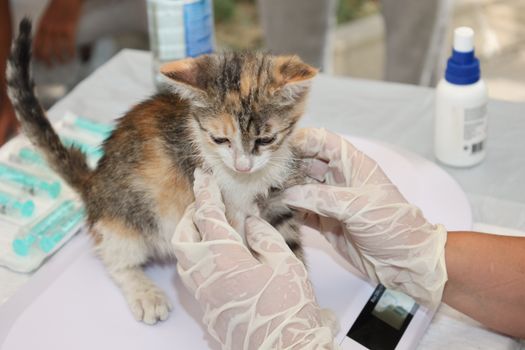
Understanding AVMA Vaccination Guidelines
The American Veterinary Medical Association (AVMA) vaccination guidelines for cats emphasize the importance of core vaccinations for all cats, regardless of lifestyle. According to the AVMA 2022 Vaccination Guidelines for Cats, core vaccinations include rabies, feline viral rhinotracheitis, feline calicivirus, and panleukopenia. These vaccinations are crucial for protecting cats against life-threatening diseases.
Core Vaccinations for Kittens and Adult Cats
The core vaccinations for kittens and adult cats are administered in a series of doses, with the first dose typically given at 6-8 weeks of age. The recommended schedule includes:
- First dose: 6-8 weeks
- Second dose: 10-12 weeks
- Third dose: 14-16 weeks As stated by the Core Vaccinations for Cats (AVMA, 2022), adult cats require booster shots every 1-3 years, depending on the vaccine and the cat’s lifestyle.
Non-Core Vaccinations: Risks and Benefits
Non-core vaccinations, such as feline leukemia virus (FeLV) and feline immunodeficiency virus (FIV), are recommended for cats at risk of exposure. According to the Non-Core Vaccinations for Cats (AVMA, 2022), the risks and benefits of administering non-core vaccinations should be carefully considered, taking into account factors such as the cat’s lifestyle, health status, and potential exposure to diseases.
Vaccination Schedule for Indoor and Outdoor Cats
The vaccination schedule for indoor and outdoor cats differs, with outdoor cats requiring more frequent vaccinations due to increased exposure to diseases. The Vaccination Schedule for Indoor and Outdoor Cats (AVMA, 2022) recommends the following schedule:
| Cat Type | Vaccination Schedule |
|---|---|
| Indoor | Core vaccinations every 1-3 years |
| Outdoor | Core vaccinations every 1 year, non-core vaccinations as needed |
Common Vaccine Reactions and Side Effects
Common vaccine reactions and side effects in cats include mild fever, lethargy, and swelling at the injection site. According to the Vaccine Reactions and Side Effects (AVMA, 2022), severe reactions are rare, but can include anaphylaxis and seizures.
Boosters and Revaccinations: When and Why
Boosters and revaccinations are essential for maintaining immunity against diseases. The Boosters and Revaccinations for Cats (AVMA, 2022) recommends the following schedule:
- Booster shots every 1-3 years
- Revaccination every 1-3 years, depending on the vaccine and the cat’s lifestyle
Frequently Asked Questions
What are the essential vaccines for cats?
The essential vaccines for cats, as recommended by the AVMA, include rabies, feline viral rhinotracheitis, feline calicivirus, and panleukopenia. These vaccinations are crucial for protecting cats against life-threatening diseases.
How often should I vaccinate my cat?
The vaccination schedule for cats depends on the cat’s lifestyle and health status. Indoor cats typically require core vaccinations every 1-3 years, while outdoor cats require more frequent vaccinations.
What are the risks and benefits of non-core vaccinations?
Non-core vaccinations, such as feline leukemia virus (FeLV) and feline immunodeficiency virus (FIV), are recommended for cats at risk of exposure. The risks and benefits of administering non-core vaccinations should be carefully considered, taking into account factors such as the cat’s lifestyle, health status, and potential exposure to diseases.
Can I vaccinate my cat myself?
No, it is not recommended to vaccinate your cat yourself. Vaccinations should only be administered by a licensed veterinarian, as they require proper training and equipment to ensure the cat’s safety and the effectiveness of the vaccine.
What are the common vaccine reactions and side effects in cats?
Common vaccine reactions and side effects in cats include mild fever, lethargy, and swelling at the injection site. Severe reactions are rare, but can include anaphylaxis and seizures.
How can I protect my cat from diseases?
In addition to vaccinations, you can protect your cat from diseases by providing a safe and healthy environment, including a balanced diet, regular exercise, and regular veterinary check-ups.
My Take
As an app developer and professional chef, I understand the importance of maintaining a healthy lifestyle for both humans and animals. When it comes to cat health, vaccinations are a crucial aspect of preventative care. I have seen firsthand the devastating effects of diseases such as rabies and feline leukemia virus (FeLV), and I strongly recommend following the AVMA guidelines for vaccinations. In my experience, regular veterinary check-ups and a balanced diet are essential for maintaining a cat’s overall health. I also recommend providing a safe and stimulating environment, including regular exercise and playtime, to keep your cat happy and healthy. As a cat owner, it is essential to stay informed about the latest vaccination guidelines and recommendations. I recommend consulting with a licensed veterinarian to determine the best vaccination schedule for your cat, taking into account their lifestyle, health status, and potential exposure to diseases.
You might also like
- Decoding Cat Tail Language
- Best Litter Boxes for Senior Cats with Arthritis
- Cat Kneading Behavior Explained
- stress in cats during vet visits: calming techniques
Practical Summary
- Follow the AVMA guidelines for vaccinations, including core and non-core vaccinations
- Provide a safe and healthy environment, including a balanced diet and regular exercise
- Regular veterinary check-ups are essential for maintaining a cat’s overall health
- Consider factors such as lifestyle, health status, and potential exposure to diseases when determining the best vaccination schedule for your cat
- Stay informed about the latest vaccination guidelines and recommendations
- Consult with a licensed veterinarian to determine the best vaccination schedule for your cat
- Provide a stimulating environment, including regular playtime and exercise, to keep your cat happy and healthy
- Consider using cat vaccination record en Amazon to keep track of your cat’s vaccination schedule
Written by Vladys Z. — App developer and professional chef. Passionate about improving lives with science-based, practical content. Follow me on YouTube.
📚 Continue reading
Sources
- American Veterinary Medical Association (AVMA). (2022). Vaccination Guidelines for Cats.
- Core Vaccinations for Cats (AVMA, 2022)
- Non-Core Vaccinations for Cats (AVMA, 2022)
- Vaccination Schedule for Indoor and Outdoor Cats (AVMA, 2022)
- Vaccine Reactions and Side Effects (AVMA, 2022)
- Boosters and Revaccinations for Cats (AVMA, 2022)
Related articles

Feline Hypertrophic Cardiomyopathy Diagnosis
Learn how to identify and manage feline hypertrophic cardiomyopathy
Cat Dental Care Guide
Learn how to care for your cat's teeth with AVMA recommendations

cat ear mites warning signs
Do you know the 5 hidden symptoms of ear mites in cats?