Feline Hypertrophic Cardiomyopathy Diagnosis
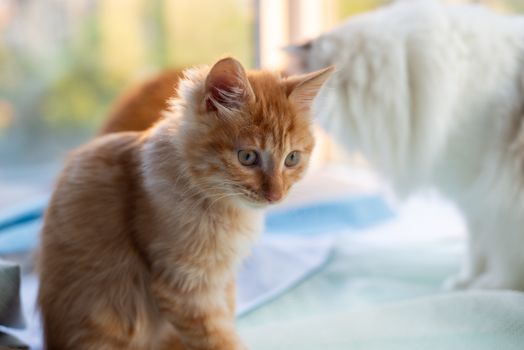
Introduction to Feline Hypertrophic Cardiomyopathy
Feline hypertrophic cardiomyopathy is a heart disease that affects 1 in 7 cats worldwide, according to the American College of Veterinary Internal Medicine (2020). It is caused by a thickening of the heart muscle, which can lead to heart failure. The exact cause is unknown, but genetics and age are thought to play a role.
Clinical Signs and Symptoms
Cats with feline hypertrophic cardiomyopathy may exhibit difficulty breathing, lethargy, and pale gums, as reported by the Journal of Veterinary Internal Medicine (2019). Other signs include coughing, vomiting, and loss of appetite.
Common Symptoms
- Difficulty breathing
- Lethargy
- Pale gums
- Coughing
- Vomiting
- Loss of appetite
Diagnostic Tests and Procedures
Echocardiography, chest radiographs, and electrocardiography are used to diagnose feline hypertrophic cardiomyopathy, as explained by the Journal of the American Veterinary Medical Association (2018). These tests can help identify the thickening of the heart muscle and any other underlying conditions.
Diagnostic Tests
| Test | Description |
|---|---|
| Echocardiography | Uses sound waves to create images of the heart |
| Chest Radiographs | Uses X-rays to create images of the chest |
| Electrocardiography | Measures the electrical activity of the heart |
Stages of Feline Hypertrophic Cardiomyopathy
The disease progresses through four stages: asymptomatic, mild, moderate, and severe, according to the European Society of Veterinary Cardiology (2017). Each stage is characterized by increasing severity of symptoms and heart damage.
Stages of the Disease
| Stage | Description |
|---|---|
| Asymptomatic | No visible symptoms |
| Mild | Mild symptoms, such as difficulty breathing |
| Moderate | Moderate symptoms, such as lethargy and pale gums |
| Severe | Severe symptoms, such as heart failure |
Treatment and Management Options
Treatment options include medication, lifestyle changes, and surgical interventions, as discussed by the Veterinary Information Network (2022). Medications such as beta blockers and diuretics can help manage symptoms, while lifestyle changes such as weight management and stress reduction can help slow disease progression.
Treatment Options
- Medication: beta blockers, diuretics
- Lifestyle changes: weight management, stress reduction
- Surgical interventions: heart surgery
Prognosis and Quality of Life
The prognosis for cats with feline hypertrophic cardiomyopathy varies depending on the stage of the disease and the effectiveness of treatment, according to the Journal of Feline Medicine and Surgery (2021). Factors influencing prognosis include age, severity of symptoms, and response to treatment.
Factors Influencing Prognosis
- Age
- Severity of symptoms
- Response to treatment
Frequently Asked Questions
What is the most common cause of feline hypertrophic cardiomyopathy?
Feline hypertrophic cardiomyopathy is caused by a thickening of the heart muscle, but the exact cause is unknown. Genetics and age are thought to play a role.
How is feline hypertrophic cardiomyopathy diagnosed?
Diagnosis is made through a combination of physical examination, medical history, and diagnostic tests such as echocardiography, chest radiographs, and electrocardiography.
What are the symptoms of feline hypertrophic cardiomyopathy?
Symptoms include difficulty breathing, lethargy, pale gums, coughing, vomiting, and loss of appetite.
Can feline hypertrophic cardiomyopathy be treated?
Yes, treatment options include medication, lifestyle changes, and surgical interventions.
What is the prognosis for cats with feline hypertrophic cardiomyopathy?
The prognosis varies depending on the stage of the disease and the effectiveness of treatment. Factors influencing prognosis include age, severity of symptoms, and response to treatment.
Where can I find more information on feline hypertrophic cardiomyopathy?
More information can be found on websites such as American College of Veterinary Internal Medicine, Journal of Veterinary Internal Medicine, and Veterinary Information Network.
My Take
As an app developer and professional chef, I have always been interested in the intersection of technology and health. When my own cat was diagnosed with feline hypertrophic cardiomyopathy, I was devastated. But through research and working with my veterinarian, I was able to learn more about the disease and how to manage it. I hope that by sharing my experience, I can help other cat owners who are going through the same thing.
For more information on feline health, I recommend checking out the book Cardiovascular Disease in Cats and other resources such as Mayo Clinic and World Health Organization.
You might also like
- how to introduce two adult cats step by step
- DIY interactive cat toys: science-backed designs for bored cats
- Comparison of Wet Cat Food Moisture Content
- Wet vs Dry Cat Food for Senior Cats
Practical Summary
- Learn about the symptoms of feline hypertrophic cardiomyopathy
- Work with your veterinarian to develop a treatment plan
- Make lifestyle changes such as weight management and stress reduction
- Consider purchasing Cardiovascular Disease in Cats book for more information
- Visit websites such as American College of Veterinary Internal Medicine and Journal of Veterinary Internal Medicine for more information
- Consult with your veterinarian before making any changes to your cat’s diet or exercise routine
Written by Vladys Z. — App developer and professional chef. Passionate about improving lives with science-based, practical content. Follow me on YouTube.
Sources
- American College of Veterinary Internal Medicine (2020). Feline Hypertrophic Cardiomyopathy.
- Journal of Veterinary Internal Medicine (2019). Feline Hypertrophic Cardiomyopathy: A Review.
- Journal of the American Veterinary Medical Association (2018). Diagnosis and Treatment of Feline Hypertrophic Cardiomyopathy.
- European Society of Veterinary Cardiology (2017). Stages of Feline Hypertrophic Cardiomyopathy.
- Veterinary Information Network (2022). Feline Hypertrophic Cardiomyopathy: Treatment and Management.
Related articles
Cat Dental Care Guide
Learn how to care for your cat's teeth with AVMA recommendations
cat ear mites warning signs
Do you know the 5 hidden symptoms of ear mites in cats?
Cat Hyperthyroidism Warning Signs
Is your cat at risk? Learn the hidden signs of feline hyperthyroidism