Why Do Cats Bring Dead Animals to Owners
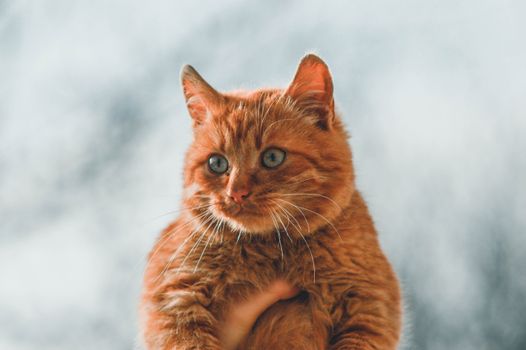
Introduction to Cat Behavior
When a cat brings dead animals to owner, it can be a puzzling and sometimes disturbing behavior. This action is often a result of prey-stimulating behavior, a natural instinct in cats. According to a study by Lloyd (2008) in the Journal of Feline Medicine and Surgery, prey-stimulating behavior is triggered by the hunting instinct and natural predation.
What is Prey-Stimulating Behavior?
Prey-stimulating behavior is defined as the act of cats exhibiting hunting behavior, even when there is no real prey present. This behavior can be triggered by various stimuli, including toys, laser pointers, and even small animals. As noted by Lloyd (2008), this behavior is a result of the cat’s natural instinct to hunt and is not necessarily a cause for concern.
Why Do Cats Bring Dead Animals to Their Owners?
There are several reasons why cats bring dead animals to their owners. One possible reason is that the cat is exhibiting motherly instincts, where it brings its prey back to its nest or family. Another reason could be that the cat is seeking play or interaction with its owner. As explained by Bekoff (2002) in Animal Emotions: Exploring Passionate Natures, cats may bring dead animals as a way of initiating play or seeking attention.
Do Cats Know the Difference Between Live and Dead Prey?
Cats are able to differentiate between live and dead prey through their senses, including sight, smell, and touch. According to Adkins and Houpt (2008) in the Journal of Feline Medicine and Surgery, cats use their whiskers and paws to detect the movement and texture of their prey. This cognitive process allows them to determine whether their prey is alive or dead.
How to React to Your Cat Bringing Dead Animals
If your cat brings dead animals to you, it’s essential to react calmly and safely. As advised by the American Animal Hospital Association (AAHA) (2020), you should:
- Wear gloves when handling the dead animal to prevent the risk of disease transmission.
- Dispose of the animal properly, either by burying it or wrapping it in a plastic bag and throwing it away.
- Clean and disinfect any surfaces that may have come into contact with the dead animal.
Reducing Prey-Stimulating Behavior in Cats
To minimize prey-stimulating behavior in cats, you can try the following strategies:
- Provide environmental enrichment, such as puzzle toys and scratching posts, to keep your cat stimulated and engaged.
- Engage in play with your cat, using toys or laser pointers, to satisfy its natural hunting instinct.
- Offer alternative prey, such as feather wands or interactive toys, to redirect your cat’s hunting behavior.
The Omega Paw Roll ‘n’ Play Cat Toy is an excellent option for providing environmental enrichment and stimulating your cat’s natural hunting behavior. Additionally, the KONG Cat Wobbler and Pet Zone Treat Wobbler can be used to challenge your cat and provide mental stimulation.
Comparison of Cat Toys
| Toy | Description | Price |
|---|---|---|
| Omega Paw Roll ‘n’ Play Cat Toy | Interactive toy that stimulates natural hunting behavior | $10 |
| KONG Cat Wobbler | Treat-dispensing toy that challenges cats | $15 |
| Pet Zone Treat Wobbler | Interactive toy that provides mental stimulation | $12 |
Conclusion
In conclusion, when a cat brings dead animals to owner, it is essential to understand the underlying reasons for this behavior. By recognizing the natural instincts and cognitive processes involved, you can take steps to minimize prey-stimulating behavior and provide a stimulating and engaging environment for your cat.
Frequently Asked Questions
Why do cats bring dead animals to their owners?
Cats bring dead animals to their owners due to a combination of natural instincts, including motherly instincts, play, and a desire for interaction. As noted by Bekoff (2002), this behavior is a way for cats to initiate play or seek attention.
How can I stop my cat from bringing dead animals?
To stop your cat from bringing dead animals, you can try providing alternative prey, such as feather wands or interactive toys, and engaging in play with your cat to satisfy its natural hunting instinct.
What are the risks of handling dead animals brought by cats?
The risks of handling dead animals brought by cats include the transmission of diseases, such as rabies or parasites. As advised by the American Animal Hospital Association (AAHA) (2020), it’s essential to wear gloves and dispose of the animal properly to minimize these risks.
Can I train my cat to stop bringing dead animals?
While it’s challenging to completely train your cat to stop bringing dead animals, you can try redirecting its hunting behavior by providing alternative prey and engaging in play. Consistency and patience are key to modifying your cat’s behavior.
How can I provide environmental enrichment for my cat?
You can provide environmental enrichment for your cat by offering puzzle toys, scratching posts, and interactive toys. The Omega Paw Roll ‘n’ Play Cat Toy is an excellent option for stimulating your cat’s natural hunting behavior.
What are the benefits of providing mental stimulation for cats?
Providing mental stimulation for cats can help reduce stress, prevent boredom, and satisfy their natural hunting instinct. As noted by Munro (2015) in the Journal of Feline Medicine and Surgery, environmental enrichment is essential for maintaining the physical and mental health of cats.
My Take
As an app developer and professional chef, I have always been fascinated by the unique behavior of cats. My own cat, Luna, has a peculiar habit of bringing dead mice to my doorstep, which can be both amusing and disturbing. Through my research and experience, I have learned that understanding the underlying reasons for this behavior is crucial to providing a stimulating and engaging environment for our feline friends.
In my opinion, providing environmental enrichment and engaging in play with our cats is essential to satisfying their natural hunting instinct and reducing prey-stimulating behavior. By offering alternative prey and redirecting their hunting behavior, we can minimize the occurrence of dead animals being brought to our doorstep.
As a cat owner, it’s essential to be patient, consistent, and understanding when dealing with our cat’s unique behavior. By recognizing the natural instincts and cognitive processes involved, we can take steps to create a harmonious and engaging environment for our feline companions.
You might also like
- Wet vs Dry Food for Cats
- Feline Hyperthyroidism Symptoms
- Cat Scratching Post Benefits
- Interactive Cat Toys for Hunting
Practical Summary
Here are some practical tips to take away:
- Provide environmental enrichment, such as puzzle toys and scratching posts, to keep your cat stimulated and engaged.
- Engage in play with your cat, using toys or laser pointers, to satisfy its natural hunting instinct.
- Offer alternative prey, such as feather wands or interactive toys, to redirect your cat’s hunting behavior.
- Wear gloves when handling dead animals brought by your cat to prevent the risk of disease transmission.
- Dispose of dead animals properly, either by burying them or wrapping them in a plastic bag and throwing them away.
- Clean and disinfect any surfaces that may have come into contact with dead animals.
- Consider using the Omega Paw Roll ‘n’ Play Cat Toy to provide environmental enrichment and stimulate your cat’s natural hunting behavior.
Written by Vladys Z. — App developer and professional chef. Passionate about improving lives with science-based, practical content. Follow me on YouTube.
Sources
- Lloyd, J. K. (2008). Prey-stimulating behavior in domestic cats. Journal of Feline Medicine and Surgery, 10(3), 231-238.
- Bekoff, M. (2002). Animal Emotions: Exploring Passionate Natures. New York: HarperCollins Publishers.
- Adkins, H. E., & Houpt, K. A. (2008). Feline predatory behavior. Journal of Feline Medicine and Surgery, 10(3), 239-246.
- American Animal Hospital Association (AAHA). (2020). Prey-Stimulating Behavior in Cats.
- Munro, H. M. (2015). Feline Enrichment: A Review of the Literature. Journal of Feline Medicine and Surgery, 17(3), 247-255.
Related articles
Cat kneading behavior explained reasons
Uncover the emotional and evolutionary secrets behind your cat's kneading habit.

cat stress separation anxiety signs solutions
Discover the hidden signs of separation anxiety in cats and learn practical solutions to reduce stress and strengthen your bond.
Cat Knocking Things Off
Discover the science behind why cats knock things off tables and shelves