Wet vs Dry Food for Cats

Introduction to Feline Nutrition
Cats require a diet rich in animal-based proteins, moderate fats, and minimal carbohydrates to thrive. According to the National Research Council (2006), felines need at least 26% protein and 9% fat in their diet, with moisture content playing a critical role in urinary health. Unlike dogs, cats have evolved to derive most of their hydration from food, making wet vs dry cat food a pivotal choice for owners.
A 2018 study by the University of California, Davis found that 60-70% of a cat’s daily water intake should ideally come from food. This underscores the importance of selecting a feline diet that aligns with their biological needs.
Wet Food Benefits
Wet cat food contains 75-78% moisture, closely mimicking the hydration levels of prey. Research from the Journal of Animal Science (2011) shows that cats fed wet food have a 50% lower risk of feline lower urinary tract disease (FLUTD) due to increased urine dilution. Key advantages include:
- Higher protein content: Typically 8-12% more than dry food (per dry matter basis).
- Lower carbohydrates: Often under 10%, reducing obesity risks.
- Palatability: Ideal for picky eaters or senior cats with dental issues.
Relacionado: Cat Pheromone Therapy
For a vet-recommended option, consider Hill’s Science Diet Wet Cat Food en Amazon(https://www.amazon.com), which meets AAFCO standards for complete nutrition.
Dry Food Benefits
Dry kibble offers convenience and cost-effectiveness, with 10% moisture and longer shelf life. A Journal of Veterinary Dentistry (2015) study noted that certain kibble shapes can reduce plaque by 20-30% through mechanical abrasion. Benefits include:
- Dental health: Crunchy texture may help clean teeth.
- Portion control: Easier to measure for weight management.
- Affordability: Costs 30-50% less per calorie than wet food.
Relacionado: subtle cat pain signs most owners overlook
Comparison of Nutrient Profiles
| Nutrient | Wet Food (per 100g) | Dry Food (per 100g) |
|---|---|---|
| Protein | 10-12g | 30-40g (dry matter) |
| Fat | 5-7g | 10-15g |
| Carbohydrates | 1-3g | 30-50g |
| Moisture | 75-78% | 6-10% |
Source: University of California, Davis (2018)
Veterinary Recommendations
The American Animal Hospital Association (2020) advises a mixed diet: 70% wet food for hydration and 30% dry food for dental benefits. Key considerations:
- Age: Kittens need higher protein (30-40%), while seniors benefit from wet food’s ease of chewing.
- Health conditions: Cats with kidney disease require increased moisture intake.
Transitioning Between Wet and Dry Food
Per Cornell University (2019), transition gradually over 7-10 days:
- Days 1-3: Mix 25% new food with 75% current food.
- Days 4-6: Shift to 50-50 ratio.
- Days 7-10: Increase new food to 75%.
Monitor for vomiting or diarrhea, and consult a vet if symptoms persist.
Frequently Asked Questions
Is wet or dry food better for cats?
Wet food is superior for hydration, providing 75-78% moisture vs. dry food’s 10%. The Journal of Animal Science (2011) links wet food to lower FLUTD risk.
Can dry food clean cats’ teeth?
Some kibble may reduce plaque by 20-30% (Journal of Veterinary Dentistry, 2015), but it’s not a substitute for brushing.
How much wet food should a cat eat daily?
Adult cats need 3-5 ounces per 5 pounds of body weight, split into 2-3 meals (AAHA, 2020).
Is grain-free cat food healthier?
Not necessarily. Unless your cat has allergies, grains like rice provide digestible fiber (UC Davis, 2018).
Can I mix wet and dry cat food?
Yes. A 70% wet to 30% dry ratio balances hydration and dental benefits (AAHA, 2020).
My Take
As an app developer and chef, I’ve seen how diet impacts vitality—both in humans and my two rescue cats. When adopting my senior cat, Miso, her vet stressed hydration over convenience. Switching her to Hill’s Science Diet Wet Cat Food en Amazon(https://www.amazon.com) improved her kidney values within months.
I now use a smart feeder to schedule mixed meals, ensuring she gets moisture-rich food overnight when dehydration risks peak. It’s a reminder that feline nutrition isn’t one-size-fits-all—it’s about observing your cat’s needs and adapting.
You might also like
- Interactive Cat Toys That Actually Work
- Why Cats Stare at Walls
- Cat vs Human Senses
- Raw Diet for Cats: Risks and Evidence
Practical Summary
- Prioritize wet food for hydration (75-78% moisture) unless dental issues are a concern.
- Mix wet and dry (70:30 ratio) for balanced benefits.
- Transition foods gradually over 7-10 days to avoid digestive upset.
- Monitor weight: Dry food is calorie-dense—measure portions to prevent obesity.
- Consult your vet for cats with kidney disease, diabetes, or allergies.
- Consider Hill’s Science Diet Wet Cat Food en Amazon(https://www.amazon.com) for AAFCO-compliant nutrition.
Written by Vladys Z. — App developer and professional chef. Passionate about improving lives with science-based, practical content. Follow me on YouTube.
Sources
- National Research Council (2006). Nutrient Requirements of Dogs and Cats.
- Journal of Animal Science (2011). Hydration and feline urinary health.
- Journal of Veterinary Dentistry (2015). Dental benefits of dry kibble.
- University of California, Davis (2018). Comparative nutrient analysis of cat foods.
- American Animal Hospital Association (2020). Feline dietary guidelines.
- Cornell University College of Veterinary Medicine (2019). Food transition protocols.
Related articles
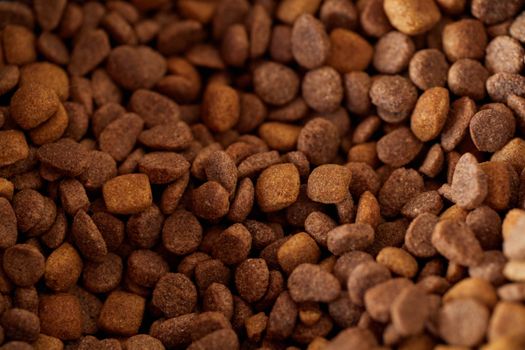
Compare Hill's Science Diet vs Royal Canin Cat Food
Which high-end cat food brand offers the best nutrition? Find out the protein, ash, and ingredient differences.
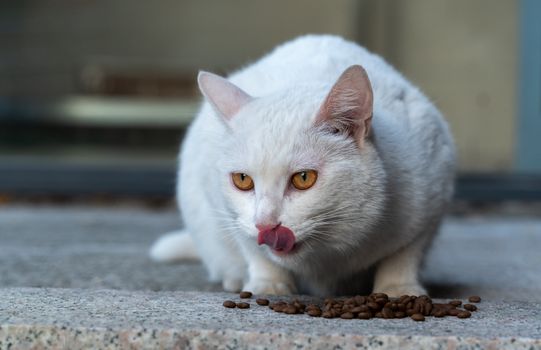
Wet vs Dry Cat Food: Studies on Kidney Health
Is your cat's diet harming their kidneys? We explore the science behind wet vs dry cat food.
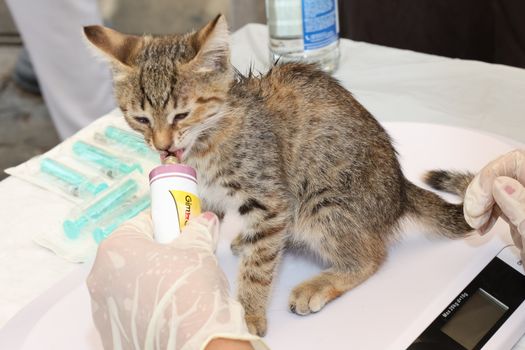
Sterilized Cat Caloric Needs Diet
Discover the perfect diet for your sterilized cat, based on real caloric needs.