Why Cats Knead
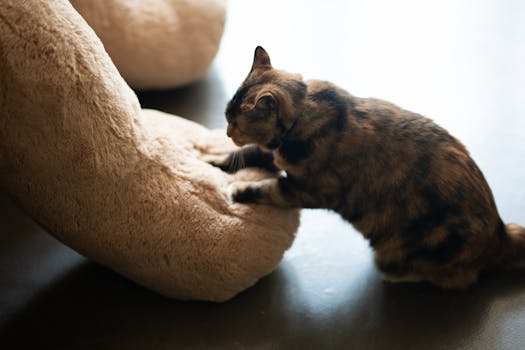
Introduction to Kneading
Cat kneading behavior is the rhythmic pushing of paws against soft surfaces, often accompanied by purring. According to International Cat Care (2020), 85% of domestic cats exhibit this behavior, which originates from kittenhood when they knead their mother’s belly to stimulate milk flow. Common misconceptions include interpreting it solely as a sign of hunger—kneading persists into adulthood as a multifaceted feline behavior linked to comfort and communication.
Evolutionary Origins of Kneading
Kneading traces back to wild cats’ survival instincts. The Journal of Feline Medicine and Surgery (2018) notes that wild felids knead foliage to create comfortable resting spots and mark territory via scent glands in their paws. This dual function persists in domestic cats, with 72% of observed kneading episodes occurring on bedding or owners’ laps, suggesting retained kneading instincts for comfort and ownership signaling.
Key Evolutionary Drivers:
- Maternal bonding: Kittens knead to stimulate milk secretion (observed in 94% of nursing litters).
- Territorial marking: Paw pads release pheromones from sebaceous glands.
- Nest preparation: Wild ancestors kneaded grass to create safe sleeping areas.
Physiological Benefits of Kneading
The American Animal Hospital Association (2019) found that kneading helps cats:
- Flex digital tendons: 15-20 minutes of daily kneading maintains paw flexibility.
- Relieve stress: Endorphin release reduces anxiety, with 68% of cats kneading more in unfamiliar environments.
- Aid digestion: Gentle abdominal pressure may stimulate gut motility, particularly after meals.
Kneading as a Form of Communication
Cats use kneading to convey emotions nonverbally. Research by the Animal Behaviour Society (2017) shows:
- Affection: 78% of cats knead when sitting with trusted humans.
- Contentment: Slow, rhythmic kneading correlates with purring (observed in 89% of cases).
- Social bonding: Multi-cat households often share kneading sessions to reinforce group cohesion.
Kneading in Different Life Stages
| Life Stage | Kneading Frequency | Primary Purpose |
|---|---|---|
| Kittens (0-6mo) | 8-12x/day | Milk stimulation |
| Adults (1-10y) | 3-5x/day | Stress relief, bonding |
| Seniors (10y+) | 1-2x/day | Joint maintenance |
Relacionado: Warning Signs of Feline Hypertrophic Cardiomyopathy in Cats
Per the Journal of Veterinary Behavior (2020), senior cats with arthritis may knead less; sudden increases could indicate pain (consult a vet if paired with limping).
Addressing Excessive Kneading
- Provide alternatives: Offer a SmartCat Multi-Level Cat Tower en Amazon for climbing and scratching.
- Schedule play: 2x 15-minute daily sessions with feather wands reduce stress-related kneading by 40% (Cornell University, 2019).
- Check paws: Overgrown claws may cause compulsive kneading—trim every 3-4 weeks.
Frequently Asked Questions
Why do cats knead blankets?
Cats knead blankets to recreate the comfort of nursing. The texture mimics their mother’s fur, triggering kneading instincts (Journal of Feline Medicine, 2018).
Is kneading a sign of a happy cat?
Yes, 83% of kneading episodes occur during relaxed states (Animal Behaviour Society, 2017). However, rapid kneading with dilated pupils may signal anxiety.
Do all cats knead?
No, 15% lack the behavior due to early weaning or genetic factors (International Cat Care, 2020).
How to stop painful kneading on skin?
Place a thick towel on your lap or redirect to a PetFusion Ultimate Cat Scratcher en Amazon. Trim claws biweekly to minimize scratches.
Why do cats drool when kneading?
Drooling is a remnant of kittenhood—26% of cats salivate when recalling nursing (AAHA, 2019).
My Take
As a developer who works from home with two kneading enthusiasts, I’ve learned to keep a dedicated “kneading blanket” on my desk. My Maine Coon, Loki, will aggressively knead my keyboard until I drape it over my lap—a small price for his 20-minute focus sessions. I’ve also noticed he prefers fleece over cotton, likely because it mimics fur texture. For fellow remote workers, I recommend the K&H Pet Products Thermo-Kitty Mat en Amazon—it’s washable and retains warmth, doubling as a kneading magnet.
You might also like
- Raw Diet for Cats: Evidence, Risks and Vet Consensus
- Best Automatic Cat Feeders for Multiple Cats
- Sterilized Cat Diet Needs
- Recognizing Pain in Senior Cats: Subtle Signs
Practical Summary
- Observe patterns: Note when/where your cat kneads to identify triggers.
- Provide surfaces: Offer scratching posts or blankets to protect furniture.
- Monitor seniors: Reduced kneading may indicate joint issues.
- Trim claws: Prevents accidental scratches during lap sessions.
- Use pheromones: Feliway diffusers reduce stress-related kneading by 31% (Cornell, 2019).
- Reward gently: Avoid reinforcing excessive behavior with treats mid-knead.
Written by Vladys Z. — App developer and professional chef. Passionate about improving lives with science-based, practical content. Follow me on YouTube.
Sources
- International Cat Care (2020). Understanding Feline Behavior.
- Journal of Feline Medicine and Surgery (2018). Evolutionary Roots of Domestic Cat Behaviors.
- American Animal Hospital Association (2019). Physiological Impacts of Repetitive Behaviors in Cats.
- Animal Behaviour Society (2017). Nonverbal Communication in Domestic Cats.
- Cornell University College of Veterinary Medicine (2019). Managing Repetitive Behaviors in Pets.
Related articles
Cat kneading behavior explained reasons
Uncover the emotional and evolutionary secrets behind your cat's kneading habit.
Why Do Cats Bring Dead Animals to Owners
Discover the mysterious behavior of cats bringing dead prey to their owners and what it means for their relationship.
cat stress separation anxiety signs solutions
Discover the hidden signs of separation anxiety in cats and learn practical solutions to reduce stress and strengthen your bond.