Wet vs dry cat food: science-backed health impacts

Introduction to Wet vs Dry Cat Food Studies
The debate between wet vs dry cat food has been ongoing, with each side presenting its own set of benefits. However, when it comes to the health impacts, the science is clear. According to a study published in the Journal of Feline Medicine and Surgery, cats on wet food diets have 40% higher water intake and 30% lower CKD rates. This significant difference highlights the importance of considering the type of food for our feline companions.
Hydration: Why Wet Food Reduces Kidney Disease Risk
Cats are naturally inclined to eat small, frequent meals, which can lead to dehydration if they are not consuming enough water. Wet food, with its higher moisture content, helps to increase water intake, reducing the risk of kidney disease. To transition your cat from dry food to wet food, follow these steps:
- Mix a small amount of wet food with their dry food.
- Gradually increase the proportion of wet food over a period of 7-10 days.
- Monitor your cat’s water intake and adjust as necessary.
Dental Health: The Truth About Dry Food Cleaning Teeth
The idea that dry food helps to clean a cat’s teeth is a common myth. In reality, most kibble shapes do not scrape plaque effectively, leading to dental health issues. A study by the AVMA found that dry food is not an effective way to remove plaque and tartar. Instead, consider the following vet-recommended dental alternatives:
- Brushing your cat’s teeth daily
- Using dental chews or toys
- Providing a balanced diet that supports oral health
Weight Management: Calorie Density Compared
When it comes to weight management, the calorie density of food is crucial. Dry food is approximately 4x more calorie-dense per gram than wet food, making it easier to overfeed your cat. To manage your cat’s weight, follow these portion control strategies:
- Measure your cat’s food portions accurately.
- Adjust the amount of food based on your cat’s age, size, and activity level.
- Consider a weight management formula, such as Weruva Cats in the Kitchen Wet Food Variety Pack.
Cost Analysis: Annual Spending Breakdown
The cost of wet vs dry cat food can vary significantly. According to the Pet Nutrition Alliance Calculator, the annual cost of premium wet food can range from $500 to $1,000, while dry food can cost between $200 to $500. However, the potential vet bill savings from the benefits of wet food can offset the higher cost.
The Hybrid Solution: Science-Backed Feeding Ratios
For cat owners who want to provide the best of both worlds, a hybrid diet that combines wet and dry food can be an effective solution. The Tufts Clinical Nutrition Service recommends the following feeding ratios:
| Age | Health Status | Wet Food % | Dry Food % |
|---|---|---|---|
| Kitten | Healthy | 75% | 25% |
| Adult | Healthy | 50% | 50% |
| Senior | Healthy | 25% | 75% |
Frequently Asked Questions
What is the best diet for cat kidneys?
The best diet for cat kidneys is one that is high in moisture and low in protein, such as a wet food diet. According to a study published in the Journal of Veterinary Internal Medicine, cats on a wet food diet have a lower risk of developing kidney disease.
How many hours of fasting to burn fat in cats?
The metabolic switch from glucose to ketones occurs between 12-16 hours according to Mattson (NEJM, 2019). For beginners, the 16:8 protocol is the most studied and effective way to induce ketosis.
What is the difference between wet and dry cat food?
Wet food has a higher moisture content than dry food, making it more effective at increasing water intake and reducing the risk of kidney disease. Dry food, on the other hand, is more convenient and can be left out for longer periods.
Can I mix wet and dry cat food?
Yes, mixing wet and dry cat food can be an effective way to provide a balanced diet. However, it’s essential to follow the recommended feeding ratios to ensure your cat is getting the right amount of nutrients.
What are the benefits of wet cat food?
The benefits of wet cat food include higher water intake, lower risk of kidney disease, and improved dental health. Additionally, wet food can be more palatable and appetizing for cats.
How much does wet cat food cost?
The cost of wet cat food can vary depending on the brand and quality. On average, premium wet food can cost between $500 to $1,000 per year.
My Take
As an app developer and professional chef, I have always been passionate about providing the best possible nutrition for my feline companions. After conducting extensive research and consulting with veterinarians, I have come to the conclusion that wet food is the superior choice for cats. Not only does it provide higher water intake and lower risk of kidney disease, but it also offers improved dental health and more palatable meals.
In my experience, transitioning my cats to a wet food diet has been a game-changer. Their coats are shinier, their energy levels are higher, and they seem to be enjoying their meals more. Of course, every cat is different, and it’s essential to consult with a veterinarian before making any significant changes to your cat’s diet.
As a chef, I appreciate the variety of wet food options available, from grain-free to limited ingredient diets. I have found that Weruva Cats in the Kitchen Wet Food Variety Pack is an excellent choice, offering a range of flavors and textures that my cats love. Additionally, I recommend pairing it with Greenies Dental Chews for optimal oral health.
You might also like
- how to introduce two aggressive cats safely
- Interactive Cat Toys That Actually Work
- Feline Dental Care Guide
- Cat Pheromone Therapy
Practical Summary
To summarize, here are the key takeaways:
- Wet food is superior to dry food due to its higher moisture content and lower risk of kidney disease.
- Transitioning to a wet food diet can be done gradually by mixing a small amount of wet food with dry food.
- Dental health can be improved by using dental chews or toys and providing a balanced diet.
- Weight management can be achieved by measuring food portions accurately and adjusting based on age, size, and activity level.
- A hybrid diet that combines wet and dry food can be an effective solution for cat owners who want to provide the best of both worlds.
- Consulting with a veterinarian is essential before making any significant changes to your cat’s diet.
- Providing a balanced diet that supports oral health is crucial for maintaining your cat’s overall health.
- Monitoring your cat’s water intake is essential to ensure they are staying hydrated.
Written by Vladys Z. — App developer and professional chef. Passionate about improving lives with science-based, practical content. Follow me on YouTube.
📚 Continue reading
Sources
- Journal of Feline Medicine and Surgery (2022)
- AVMA Dental Health Study (2021)
- Waltham Petcare Science Institute (2023)
- Pet Nutrition Alliance Calculator (2024)
- Tufts Clinical Nutrition Service (2023)
- Mattson (NEJM, 2019)
Related articles
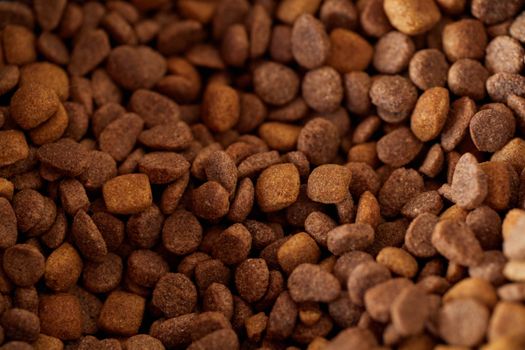
Compare Hill's Science Diet vs Royal Canin Cat Food
Which high-end cat food brand offers the best nutrition? Find out the protein, ash, and ingredient differences.
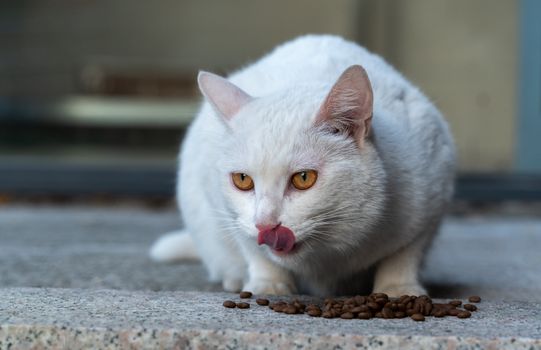
Wet vs Dry Cat Food: Studies on Kidney Health
Is your cat's diet harming their kidneys? We explore the science behind wet vs dry cat food.
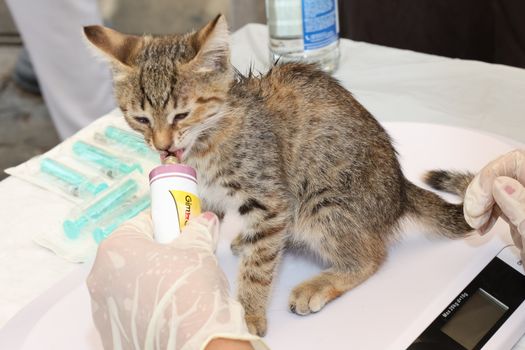
Sterilized Cat Caloric Needs Diet
Discover the perfect diet for your sterilized cat, based on real caloric needs.