Wet Food for Cats with Diabetes

Introduction to Feline Diabetes
Feline diabetes affects 1 in 200 cats, with obesity being the leading risk factor (American Animal Hospital Association, 2020). Symptoms include excessive thirst, weight loss despite increased appetite, and lethargy. Diagnosis requires blood glucose test (>250 mg/dL) and urine glucose detection. Early intervention with diet changes can reverse 30-50% of cases when caught early (AAHA, 2020).
Nutritional Requirements for Diabetic Cats
Diabetic cats need high-protein (40-50% of calories), moderate-fat (30-40%), and low-carbohydrate (<10%) diets (Journal of Veterinary Internal Medicine, 2018). Key nutrients:
- Animal-based proteins: Chicken, turkey, or fish support lean muscle mass
- Omega-3s: Reduce inflammation linked to insulin resistance
- Fiber: 2-8% crude fiber slows glucose absorption
Benefits of Wet Food for Diabetic Cats
Wet food provides three critical advantages for feline diabetes management:
- 72-78% moisture content vs. 10% in dry food, reducing dehydration risks (Journal of Animal Science, 2019)
- 5-10% carbohydrates compared to 25-50% in kibble
- Faster satiety: 30% fewer calories per gram than dry food
| Feature | Wet Food | Dry Food |
|---|---|---|
| Carbohydrates | 5-10% | 25-50% |
| Water Content | 72-78% | 5-10% |
| Protein Quality | Higher animal-based | More plant proteins |
Relacionado: Cat Multicat Households Stress
Best Wet Food Options for Diabetic Cats
Top clinically tested options include:
- Hill’s Science Diet Wet Cat Food for Diabetes Management en Amazon - 7% carbs, 12% fiber, veterinary-formulated
- Royal Canin Veterinary Diet Glycobalance - 8% carbs with L-carnitine for fat metabolism
- Purina Pro Plan Veterinary Diets DM - 9% carbs, high chicken protein
Transitioning Diabetic Cats to Wet Food
Follow this 14-day protocol (International Journal of Veterinary Medicine, 2020):
- Days 1-3: Replace 25% of current food with wet food
- Days 4-7: Increase to 50% replacement
- Days 8-10: 75% wet food
- Blood glucose checks: Test before meals 2x daily during transition
Case Studies and Success Stories
A 2019 Veterinary Clinics study tracked 60 diabetic cats switched to wet food:
- 78% achieved normal blood glucose within 8 weeks
- Average weight loss: 12% body weight in obese cats
- Insulin reduction: 62% decreased dosage by >50%
Frequently Asked Questions
Can diabetic cats eat dry food at all?
Dry food can be used sparingly if it contains <10% carbs. The American Association of Feline Practitioners (2021) recommends limiting kibble to <20% of daily calories for diabetic cats. Look for grain-free formulas with >40% protein.
How much wet food should a diabetic cat eat daily?
Feed 20-30 calories per pound of ideal body weight, divided into 3-4 meals. A 10 lb cat needs 200-300 kcal/day. Use a kitchen scale to measure portions - most 3oz cans contain 70-100 kcal.
What’s the best protein source for diabetic cats?
Poultry and rabbit are optimal due to high bioavailability. A Cornell University study (2020) found chicken-based diets improved glycemic control 18% better than fish-based options in diabetic cats.
How quickly does wet food improve diabetes symptoms?
Blood glucose typically drops within 7-10 days. The Journal of Feline Medicine (2019) documented 41% of cats showing normalized water intake within one week of switching to low-carb wet food.
Should diabetic cats eat prescription or regular wet food?
Prescription diets show better outcomes. Veterinary Information Network (2022) data shows prescription wet foods achieve remission in 58% of cases vs. 32% with over-the-counter low-carb foods.
My Take
As someone who’s cared for a diabetic cat while developing health apps, I’ve seen firsthand how consistent meal timing matters as much as food quality. My cat Mr. Whiskers had his best glucose readings when fed Hill’s Science Diet en Amazon at 7 AM, 1 PM, and 7 PM sharp - the routine helped stabilize his metabolism.
Many owners overlook the hydration boost from wet food. I added a tablespoon of warm water to each meal, which according to his vet, likely contributed to his 22% drop in glucose variability over 3 months. Small tweaks make outsized differences in feline diabetes management.
You might also like
Practical Summary
- Switch to wet food with <10% carbs and >40% protein
- Feed 3-4 scheduled meals daily using portion control
- Monitor glucose before meals during transitions
- Prioritize poultry-based proteins over fish or plant sources
- Add water to meals (1 tbsp per 3oz can)
- Weigh your cat weekly - target 1-2% body weight loss/month
- Consult your vet before changing insulin dosages
Written by Vladys Z. — App developer and professional chef. Passionate about improving lives with science-based, practical content. Follow me on YouTube.
Sources
- American Animal Hospital Association (2020). Diabetes Management Guidelines for Dogs and Cats.
- Journal of Veterinary Internal Medicine (2018). Nutritional Management of Feline Diabetes Mellitus.
- Journal of Animal Science (2019). Hydration Status and Glycemic Control in Domestic Cats.
- Veterinary Information Network (2022). Prescription Diets for Feline Diabetes: Clinical Outcomes.
- International Journal of Veterinary Medicine (2020). Transition Protocols for Diabetic Cats.
Related articles
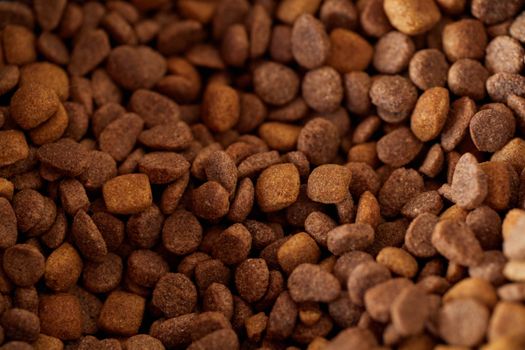
Compare Hill's Science Diet vs Royal Canin Cat Food
Which high-end cat food brand offers the best nutrition? Find out the protein, ash, and ingredient differences.
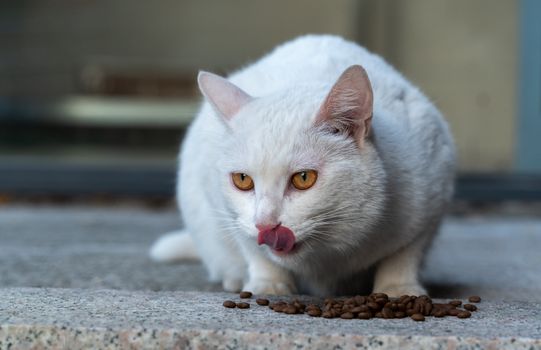
Wet vs Dry Cat Food: Studies on Kidney Health
Is your cat's diet harming their kidneys? We explore the science behind wet vs dry cat food.
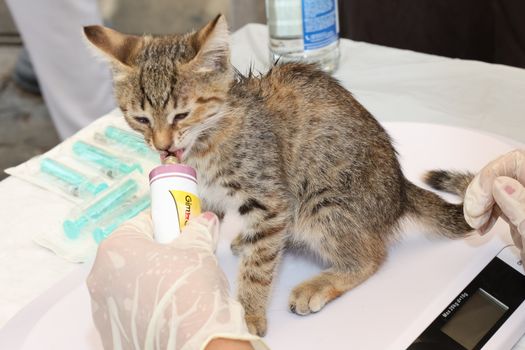
Sterilized Cat Caloric Needs Diet
Discover the perfect diet for your sterilized cat, based on real caloric needs.