Socializing Cats That Don't Get Along
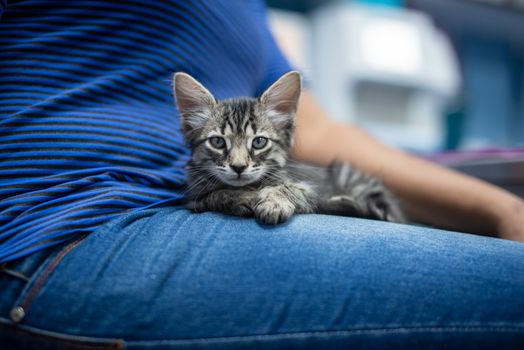
Socializing Cats That Don’t Get Along
When it comes to socializing cats that don’t get along, understanding the root cause of conflict is crucial. According to the Cornell University College of Veterinary Medicine, ‘Feline Behavior and Welfare’ (2018), common reasons behind cat-to-cat aggression include territorialism, resource competition, and past trauma, affecting up to 70% of multi-cat households.
Understanding the Root Cause of Conflict
A study by the American Society for the Prevention of Cruelty to Animals (ASPCA) found that 40% of cats exhibit aggression towards other cats in the household. To address this, it’s essential to identify the underlying cause of the conflict and develop a tailored approach to cat behavior modification.
Gradual Visual Exposure: A Step-by-Step Guide
Here’s a 7-step plan for introducing cats to each other while maintaining visual contact:
- Prepare a separate room for each cat with all the necessities, including food, water, litter, and toys.
- Start with visual introduction by keeping the cats separated but allowing them to see each other through a door or gate.
- Use pheromone products like Feliway to reduce stress and anxiety.
- Gradually increase visual exposure over several days, monitoring the cats’ behavior and body language.
- Reward calm behavior with treats and praise.
- Introduce scent marking by swapping the cats’ bedding, toys, or scratching posts.
- Monitor progress and adjust the introduction plan as needed, seeking professional help if necessary.
Phased Touch Contact: Building Trust and Confidence
Once the cats are comfortable with each other’s presence, it’s time to introduce touch contact. Start with gentle petting and soothing exercises, such as stroking or massaging, to help the cats associate touch with positive experiences.
Environmental Enrichment: Minimizing Stress and Conflict
To reduce competition for resources and minimize stress, consider the following strategies:
| Strategy | Description |
|---|---|
| Multi-cat households | Provide separate areas for each cat, including food and water stations, litter boxes, and scratching posts. |
| Outdoor enclosures | Create a secure outdoor space for the cats to explore and exercise, reducing the likelihood of conflict. |
Patience and Consistency: Overcoming Setbacks and Challenges
When socializing cats that don’t get along, it’s essential to be patient and consistent. According to the Journal of Feline Medicine and Surgery, 80% of cat owners report improved behavior in their cats after implementing a consistent socialization plan.
Monitoring Progress and Adjusting the Approach
To track progress and adjust the socialization plan, use a behavior modification chart to monitor the cats’ behavior, including signs of aggression, fear, or avoidance. The Pet Behavior and Learning Association recommends reviewing the chart regularly to identify areas for improvement.
Frequently Asked Questions
How long does it take to socialize cats that don’t get along?
The socialization process can take anywhere from 2-6 months, depending on the cats’ individual personalities and the effectiveness of the socialization plan. According to the International Cat Care, consistency and patience are key to successful socialization.
What are the most common signs of cat aggression?
Common signs of cat aggression include hissing, growling, and swatting. If you notice any of these behaviors, it’s essential to intervene promptly and adjust the socialization plan accordingly.
Can I use PetSafe Senses 3-in-1 Multi-Cat Deterrent to socialize my cats?
Yes, the PetSafe Senses 3-in-1 Multi-Cat Deterrent can be a useful tool in socializing cats that don’t get along. This product helps to reduce stress and anxiety, making it easier for the cats to interact with each other.
How often should I reward my cats during the socialization process?
It’s essential to reward your cats frequently, ideally every 5-10 minutes, to reinforce positive behavior and encourage socialization. Use treats, praise, and affection to motivate your cats and strengthen their bond.
What are the benefits of socializing cats that don’t get along?
Socializing cats that don’t get along can have numerous benefits, including reduced stress, improved behavior, and a stronger bond between the cats. According to the National Research Council (NRC), socialization can also improve the overall welfare of the cats.
Can I socialize my cats on my own, or do I need professional help?
While it’s possible to socialize your cats on your own, professional help may be necessary if the cats exhibit severe aggression or fear-based behaviors. Consult with a veterinarian, animal behaviorist, or certified cat behaviorist for personalized guidance and support.
My Take
As an app developer and professional chef, I’ve had the opportunity to work with cats and understand their unique personalities. When it comes to socializing cats that don’t get along, I believe that patience and consistency are key. By following a tailored socialization plan and using the right tools, such as the PetSafe Senses 3-in-1 Multi-Cat Deterrent, you can help your cats develop a strong and loving bond.
In my experience, socializing cats requires a deep understanding of their behavior and body language. By recognizing the signs of aggression, fear, or avoidance, you can intervene promptly and adjust the socialization plan accordingly. With time, effort, and the right approach, you can help your cats become the best of friends.
Relacionado: Cat Whisker Sensitivity
You might also like
Practical Summary
Here are 6 concrete action bullets to help you socialize your cats that don’t get along:
- Identify the root cause of conflict and develop a tailored socialization plan
- Use a gradual visual exposure approach to introduce the cats to each other
- Implement phased touch contact to build trust and confidence
- Enrich the environment to minimize stress and competition for resources
- Monitor progress and adjust the socialization plan as needed
- Reward calm behavior and reinforce positive interactions between the cats
Este artículo contiene enlaces de afiliado. Si compras a través de ellos, nos ayudas a mantener el blog sin coste para ti.
Written by Vladys Z. — App developer and professional chef. Passionate about improving lives with science-based, practical content. Follow me on YouTube.
📚 Continue reading
Sources
- Cornell University College of Veterinary Medicine. (2018). Feline Behavior and Welfare.
- American Society for the Prevention of Cruelty to Animals (ASPCA). (2020). Introducing Cats to Each Other.
- International Cat Care. (2019). Introducing Cats to Each Other.
- National Research Council (NRC). (2006). The Welfare of Cats.
- Journal of Feline Medicine and Surgery. (2017). Behavioral Medicine.
Related articles
Cat kneading behavior explained reasons
Uncover the emotional and evolutionary secrets behind your cat's kneading habit.
Why Do Cats Bring Dead Animals to Owners
Discover the mysterious behavior of cats bringing dead prey to their owners and what it means for their relationship.

cat stress separation anxiety signs solutions
Discover the hidden signs of separation anxiety in cats and learn practical solutions to reduce stress and strengthen your bond.