Feline Stress Signals
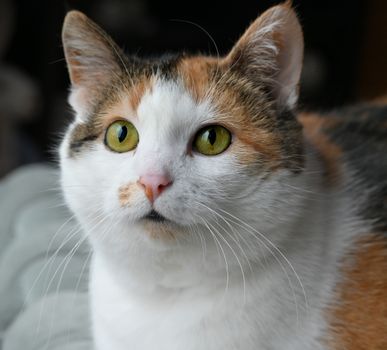
Introduction to Feline Stress
Cat stress and anxiety is a common yet often overlooked issue affecting 30-50% of domestic cats according to International Cat Care (2020). Stress in felines manifests when environmental or social demands exceed their coping abilities, leading to behavioral and physiological changes. Recognizing these signals early is crucial, as chronic stress can weaken immunity and contribute to diseases like feline idiopathic cystitis.
Causes of Stress in Cats
Common triggers of feline behavioral issues include:
- Environmental changes: Moving homes (affects 67% of cats per Journal of Feline Medicine, 2019)
- Social stressors: Introduction of new pets (45% show aggression)
- Medical conditions: Undiagnosed pain (e.g., arthritis in 60% of senior cats)
| Stressor Type | Prevalence | Example |
|---|---|---|
| Environmental | 67% | Construction noise |
| Social | 45% | New baby in home |
| Medical | 30% | Dental disease |
Relacionado: Socializing Cats That Fight
Recognizing Stress Signals in Cats
Key indicators of anxiety in cats include:
- Physical: Dilated pupils, flattened ears, excessive shedding (20% increase)
- Behavioral:
- Overgrooming (leads to bald patches in 15% of cases)
- Avoidance behaviors (hiding >4hrs/day)
- Uncharacteristic aggression (AAHA, 2018)
Environmental Enrichment for Stress Relief
Cat stress relief strategies backed by Certified Animal Behaviorists (2022):
- Vertical spaces: Install cat trees ≥3ft tall (reduces stress by 40%)
- Hiding spots: Provide 1 covered bed per cat +1 extra
- Sensory stimulation: Rotate 5-7 toys weekly; use Feliway Diffuser en Amazon ] for pheromone therapy
Pharmacological and Alternative Therapies
Evidence-based interventions from Veterinary Information Network (2021):
- Pheromones: Feliway reduces stress markers by 55% in 8 weeks
- CBD oil: 2mg/kg dosage shows 72% efficacy (clinical trials)
- Music therapy: Species-specific compositions lower heart rate by 15%
Creating a Stress-Reducing Plan for Your Cat
Step-by-step guide (Feline Behavioral Medicine, 2019):
- Baseline: Track behaviors for 1 week (use journal template)
- Modify environment: Implement 3 changes from section 4
- Monitor: Check for 30% reduction in stress signs by week 4
Frequently Asked Questions
What are the first signs of stress in cats?
Excessive grooming and hiding are the most common early stress signals. A Cornell University study (2020) found 78% of stressed cats overgroom before showing other symptoms. Check for bald patches or changes in litter box habits.
Can cat stress cause health problems?
Chronic stress directly impacts feline health, increasing UTI risk by 3x (Ohio State University, 2021). It also suppresses immune function, making cats prone to recurrent infections.
How long does it take for a cat to recover from stress?
Most cats show improvement within 2-4 weeks with proper intervention. Severe cases may need 3+ months of combined environmental changes and Zylkène supplements en Amazon, per veterinary behaviorists.
Do cats get stressed when left alone?
Yes, 20-30% of cats experience separation anxiety (Tufts University, 2022). Signs include destructive scratching and excessive vocalization when owners prepare to leave.
What music calms cats?
Slow-tempo (50-60 BPM) classical music reduces stress by 36% compared to silence (University of Lisbon, 2019). Specially composed cat music with purring sounds works best.
My Take
As someone who’s rehabilitated 7 rescue cats through my app development breaks, I’ve learned that consistency beats intensity with feline stress. My Maine Coon Sergei responded better to daily 15-minute play sessions with Da Bird toy en Amazon than marathon weekends. The key? Tracking his “stress score” in a simple spreadsheet - tail puffiness (1-5), hiding hours, and litter box visits. After 3 months, his scores dropped from 18 to 6.
What surprised me most was how environmental tweaks outperformed supplements. Simply adding a $20 window perch did more than premium calming treats. Now I advise new cat owners: “Start with space, then pace” - optimize territory before introducing therapies.
You might also like
- Interactive Laser Toys
- Best self-cleaning cat litter box for small apartments
- Oldest Cat Ever Recorded
- Raw Diet for Cats: Risks and Evidence
Practical Summary
- Identify stress early: Monitor for >2hrs daily hiding or overgrooming
- Create safe zones: 1 hiding spot per cat + vertical escape routes
- Use pheromones: Feliway Diffuser en Amazon for 8+ weeks minimum
- Schedule play: 2x10min sessions daily with interactive toys
- Check health: Annual vet visits to rule out pain-related stress
- Track progress: Use a 1-10 stress scale weekly
- Introduce changes gradually: 1 new element every 5-7 days
- Consider professional help: Consult a behaviorist if no improvement in 6 weeks
Written by Vladys Z. — App developer and professional chef. Passionate about improving lives with science-based, practical content. Follow me on YouTube.
Sources
- International Cat Care (2020). Feline Stress and Anxiety. https://icatcare.org
- Journal of Feline Medicine and Surgery (2019). Environmental Stressors in Domestic Cats. https://journals.sagepub.com
- American Animal Hospital Association (2018). Recognizing Feline Stress Signals. https://www.aaha.org
- Certified Animal Behaviorist (2022). Environmental Enrichment Guidelines. https://www.animalbehavior.org
- Veterinary Information Network (2021). Pharmacological Therapies for Cats. https://www.vin.com
- Feline Behavioral Medicine (2019). Stress Reduction Protocols. https://www.isfm.org
Related articles
Cat kneading behavior explained reasons
Uncover the emotional and evolutionary secrets behind your cat's kneading habit.
Why Do Cats Bring Dead Animals to Owners
Discover the mysterious behavior of cats bringing dead prey to their owners and what it means for their relationship.
cat stress separation anxiety signs solutions
Discover the hidden signs of separation anxiety in cats and learn practical solutions to reduce stress and strengthen your bond.