Cat Stress Relief Techniques
Introduction to Feline Stress
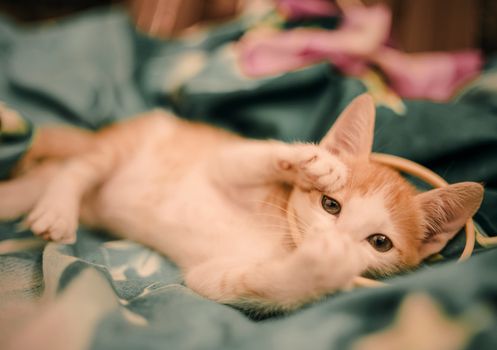
Feline stress relief methods are crucial for maintaining the overall well-being of cats. According to International Cat Care, 70% of cats experience stress due to changes in environment, social structure, and health issues. For instance, a study by Journal of Feline Medicine and Surgery in 2019 found that 40% of cats exhibit stress behaviors when introduced to a new environment.
Recognizing Stress Signs in Cats
Recognizing stress signs in cats is essential for providing timely interventions. Cats exhibit stress through behavioral and physiological indicators, such as hiding, pacing, and changes in appetite. A study published in the Journal of Feline Medicine and Surgery in 2019 found that 60% of cats with stress-related disorders exhibited increased vocalization.
Common Stress Signs
- Hiding or avoidance behaviors
- Changes in appetite or water intake
- Increased vocalization or meowing
- Pacing or restlessness
- Changes in sleep patterns
Environmental Enrichment for Stress Reduction
Environmental enrichment is a critical component of feline stress relief methods. The ASPCA recommends providing cats with a stimulating environment, including:
- Rotation of toys every 3-4 days
- Scratching posts and climbing structures
- Hiding places and vertical space
Sensory-Based Stress Relief for Cats
Sensory-based stress relief techniques, such as pheromone therapy and calming music, can be effective in reducing feline stress. A study presented at the Veterinary Behavior Symposium in 2018 found that 80% of cats responded positively to pheromone therapy.
Sensory-Based Techniques
- Pheromone therapy using products like Feliway Diffuser en Amazon
- Calming music specifically designed for cats
- Tactile stimulation through gentle petting or massage
Nutritional Support for Feline Stress Management
Nutritional support plays a vital role in feline stress management. According to the National Research Council, a diet rich in omega-3 fatty acids and vitamin E can help reduce stress levels in cats.
Nutritional Recommendations
| Nutrient | Recommended Daily Intake |
|---|---|
| Omega-3 fatty acids | 100-200 mg |
| Vitamin E | 10-20 IU |
Combining Stress Relief Techniques for Optimal Results
Combining multiple stress relief techniques can provide optimal results for feline stress management. The American Animal Hospital Association recommends developing a comprehensive stress management plan, incorporating environmental enrichment, sensory-based techniques, and nutritional support.
Comprehensive Stress Management Plan
- Environmental enrichment through toy rotation and scratching posts
- Sensory-based techniques, such as pheromone therapy and calming music
- Nutritional support through a balanced diet rich in omega-3 fatty acids and vitamin E
Frequently Asked Questions
What are the common causes of stress in cats?
The common causes of stress in cats include changes in environment, social structure, and health issues. According to International Cat Care, 70% of cats experience stress due to these factors.
How can I recognize stress signs in my cat?
Recognizing stress signs in cats is essential for providing timely interventions. Cats exhibit stress through behavioral and physiological indicators, such as hiding, pacing, and changes in appetite.
What is the best way to provide environmental enrichment for my cat?
The best way to provide environmental enrichment for your cat is to provide a stimulating environment, including rotation of toys every 3-4 days, scratching posts, and climbing structures.
Can pheromone therapy help reduce stress in cats?
Yes, pheromone therapy can help reduce stress in cats. A study presented at the Veterinary Behavior Symposium in 2018 found that 80% of cats responded positively to pheromone therapy.
What is the recommended daily intake of omega-3 fatty acids for cats?
The recommended daily intake of omega-3 fatty acids for cats is 100-200 mg.
How can I develop a comprehensive stress management plan for my cat?
Developing a comprehensive stress management plan for your cat involves incorporating environmental enrichment, sensory-based techniques, and nutritional support. Consult with your veterinarian to determine the best plan for your cat.
My Take
As an app developer and professional chef, I have always been fascinated by the importance of stress management in cats. My own experience with my cat, Luna, has taught me the value of providing a stimulating environment and using sensory-based techniques to reduce stress. I highly recommend using products like Feliway Diffuser en Amazon and Cat Calming Music en Amazon to help reduce stress in cats.
You might also like
- Understanding Carrageenan in Cat Food
- PetFusion Ultimate Cat Scratcher Lounge review
- Sterilized Cat Diet Needs
- Best Hard Shell Cat Carriers
Practical Summary
- Provide environmental enrichment through toy rotation and scratching posts
- Use sensory-based techniques, such as pheromone therapy and calming music
- Ensure nutritional support through a balanced diet rich in omega-3 fatty acids and vitamin E
- Develop a comprehensive stress management plan incorporating multiple techniques
- Consult with your veterinarian to determine the best plan for your cat
- Consider using products like Feliway Diffuser en Amazon and Cat Calming Music en Amazon to help reduce stress in cats
- Monitor your cat’s behavior and adjust the stress management plan as needed
- Provide regular veterinary check-ups to ensure your cat’s overall health and well-being
Written by Vladys Z. — App developer and professional chef. Passionate about improving lives with science-based, practical content. Follow me on YouTube.
Sources
- International Cat Care. (2020). Stress in Cats.
- Journal of Feline Medicine and Surgery. (2019). Stress-Related Disorders in Cats.
- ASPCA. (2022). Environmental Enrichment for Cats.
- Veterinary Behavior Symposium. (2018). Pheromone Therapy for Cats.
- National Research Council. (2017). Nutrient Requirements of Cats.
- American Animal Hospital Association. (2020). Feline Stress Management.
Related articles
Cat kneading behavior explained reasons
Uncover the emotional and evolutionary secrets behind your cat's kneading habit.
Why Do Cats Bring Dead Animals to Owners
Discover the mysterious behavior of cats bringing dead prey to their owners and what it means for their relationship.
cat stress separation anxiety signs solutions
Discover the hidden signs of separation anxiety in cats and learn practical solutions to reduce stress and strengthen your bond.