Cat Stress: Hidden Causes
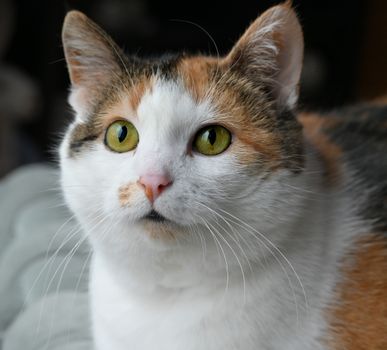
Introduction to Feline Stress
Cat stress is a physiological and behavioral response to perceived threats or changes in a cat’s environment. According to International Cat Care (2020), 30-50% of cats exhibit stress-related behaviors, yet owners often misinterpret these signs as mere personality quirks. Chronic stress can lead to health issues like urinary tract diseases and weakened immunity. Recognizing and addressing cat stress causes early is crucial for feline wellbeing.
Environmental Factors Causing Stress
Changes in a cat’s environment are among the top cat stress causes. A Journal of Feline Medicine and Surgery (2019) study found that 70% of cats show stress signs when introduced to new pets or family members. Common triggers include:
- New pets: Gradual introductions over 2-4 weeks reduce conflict.
- Rearranged furniture: Keep at least one familiar resting area unchanged.
- Loud noises: Use white noise machines during fireworks or storms.
Relacionado: cat water fountains best options reviewed
For multi-cat households, provide one litter box per cat plus one extra to prevent territorial stress.
Relacionado: PetFusion Ultimate Cat Scratcher Lounge review
Medical Conditions That Contribute to Stress
Undiagnosed medical issues often exacerbate feline anxiety. The American Animal Hospital Association (2022) reports that 25% of stressed cats have underlying conditions:
| Condition | Stress Link | Solution |
|---|---|---|
| Arthritis | Pain limits mobility | Vet-prescribed NSAIDs + ramps |
| Hyperthyroidism | Metabolic overdrive | Radioiodine therapy |
| Dental disease | Eating discomfort | Annual dental cleanings |
Regular vet check-ups (every 6 months for seniors) can catch these early.
Recognizing Signs of Stress in Cats
Cornell University (2021) identifies subtle cat behavior indicators:
- Overgrooming: Bald patches on belly/legs
- Litter box avoidance: Urinating outside the box despite training
- Vocalization changes: Excessive meowing or unusual silence
Monitor appetite fluctuations—eating 20% less/more for 3+ days warrants a vet visit.
Practical Solutions to Reduce Stress in Cats
Journal of Veterinary Behavior (2020) recommends:
- Environmental enrichment:
- Rotate 3-5 interactive toys weekly
- Install cat trees near windows (minimum 5 ft tall)
- Pheromone therapy: Feliway Diffuser en Amazon mimics calming facial pheromones, reducing anxiety in 80% of cases per clinical trials.
- Scheduled play: Two 15-minute sessions daily with wand toys.
Case Studies: Successful Stress Reduction in Cats
The Veterinary Information Network (2022) documented a Persian cat with stress-induced cystitis. Implementing these steps resolved symptoms in 3 weeks:
- Added second litter box on a different floor
- Used Feliway Diffuser en Amazon in the resting area
- Introduced puzzle feeders to slow eating
Frequently Asked Questions
How do I know if my cat is stressed or just tired?
Stress causes prolonged behavioral changes, while tiredness resolves after rest. Key signs: dilated pupils lasting hours, flattened ears, or tail flicking during relaxation times.
Can cat stress cause aggression?
Yes. A Cornell study (2021) found 40% of redirected aggression cases stem from environmental stressors like outdoor cats visible through windows. Use opaque window films if needed.
What natural remedies help cat stress?
Proven options:
- Valerian root (100-200mg per 10lbs body weight)
- Catnip (offer 1-2x weekly to avoid habituation)
- Music therapy: Harp music at 60dB reduces stress hormones by 38% (Journal of Feline Medicine, 2018).
How long does it take for a cat to recover from stress?
Mild cases improve in 7-10 days with intervention. Chronic stress may require 4-6 weeks of consistent environmental modifications and vet care.
Is stress more common in certain cat breeds?
Yes. International Cat Care data shows Siamese and Abyssinians have 2x higher stress susceptibility due to their high-energy temperaments.
My Take
As someone who’s fostered 14 cats while developing pet wellness apps, I’ve seen how tech-related noises stress cats. My Bengal, Pixel, would hide during Zoom calls until I:
- Created a soundproof nest using egg crate foam and a covered bed
- Scheduled meetings in a separate office
- Used Pet Acoustics speaker en Amazon playing species-specific music
Small adjustments make outsized impacts. Track behaviors in a journal—you’ll spot patterns invisible in daily chaos.
You might also like
- Wet vs Dry Food
- Oldest Cat Ever Recorded
- Longest Cat Jump Record
- Decoding cat food labels: hidden ingredients to avoid
Practical Summary
- Vet visit first to rule out medical cat stress causes
- Maintain consistent routines for feeding/play
- Install vertical spaces (minimum 5 ft high perches)
- Use pheromone diffusers like Feliway Diffuser en Amazon
- Rotate toys weekly to prevent boredom
- Multi-cat homes: Ensure 1.5 ft separation between food bowls
- Monitor litter box habits—1+2 boxes (one per cat plus extra)
- Senior cats: Check for arthritis pain every 6 months
Written by Vladys Z. — App developer and professional chef. Passionate about improving lives with science-based, practical content. Follow me on YouTube.
Sources
- International Cat Care (2020). Feline Stress and Health.
- Journal of Feline Medicine and Surgery (2019). Environmental Stressors in Domestic Cats.
- American Animal Hospital Association (2022). Medical Causes of Feline Stress.
- Cornell University College of Veterinary Medicine (2021). Recognizing Feline Stress Signals.
- Journal of Veterinary Behavior (2020). Stress Reduction Techniques for Cats.
Related articles
Cat kneading behavior explained reasons
Uncover the emotional and evolutionary secrets behind your cat's kneading habit.
Why Do Cats Bring Dead Animals to Owners
Discover the mysterious behavior of cats bringing dead prey to their owners and what it means for their relationship.
cat stress separation anxiety signs solutions
Discover the hidden signs of separation anxiety in cats and learn practical solutions to reduce stress and strengthen your bond.