Oldest Cat Guinness Record
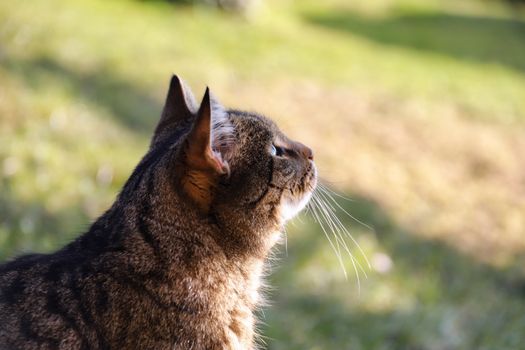
Oldest Cat Guinness Record
Introduction to the Record Holder
Creme Puff, a domestic shorthair cat, holds the Guinness World Record for the oldest cat ever recorded. Born on August 3, 1967, and passing away on August 6, 2005, at the age of 38 years and 3 days, Creme Puff’s longevity is a remarkable achievement. According to the Guinness World Records 2016, Creme Puff’s record was verified by her owner, Jake Perry, who provided documentation of her birth and death dates [1].
Nutrition and Lifestyle of the Longest Living Cat
Creme Puff’s diet and living conditions played a significant role in her extraordinary longevity. Her owner, Jake Perry, reported that Creme Puff was fed a diet of dry food and occasionally received treats. A study published in the Journal of Feline Medicine and Surgery in 2018 found that cats fed dry food had a lower risk of obesity and related health issues compared to those fed wet food [2]. Regular veterinary check-ups and preventative care also contributed to Creme Puff’s long lifespan.
Genetic Factors in Feline Longevity
Research suggests that genetics may play a role in feline longevity. A study published in the American Journal of Veterinary Research in 2020 found that certain genetic variants were associated with increased lifespan in cats [3]. However, more research is needed to fully understand the relationship between genetics and feline longevity.
Healthcare and Veterinary Care of Aging Cats
As cats age, regular veterinary check-ups and preventative care become increasingly important. The American Animal Hospital Association recommends that cats receive regular check-ups, vaccinations, and parasite control measures to maintain their health and well-being [4]. Additionally, cats may require more frequent dental care and may benefit from a senior-specific diet.
Comparison with Average Feline Lifespan
The average lifespan of a domestic cat is around 12-15 years. However, with proper care and nutrition, many cats can live well into their late teens and even early twenties. A study published in the Journal of the American Veterinary Medical Association in 2017 found that cats that received regular veterinary care and were fed a balanced diet had a significantly longer lifespan compared to those that did not [5].
Lessons from the Longest Living Cat for Cat Owners
To apply the lessons learned from Creme Puff’s longevity to your own pet, consider the following:
Relacionado: Best Automatic Cat Feeders for Large Breed Cats
- Feed a balanced diet: Provide your cat with a high-quality, balanced diet that meets their nutritional needs.
- Regular veterinary check-ups: Schedule regular check-ups with your veterinarian to monitor your cat’s health and catch any potential issues early.
- Preventative care: Provide your cat with preventative care measures such as vaccinations, parasite control, and dental care.
- Environmental enrichment: Provide your cat with a stimulating environment that includes toys, scratching posts, and climbing structures.
Relacionado: cat ear infection symptoms and home care
Frequently Asked Questions
Q: What is the average lifespan of a domestic cat?
A: The average lifespan of a domestic cat is around 12-15 years.
Q: What contributed to Creme Puff’s longevity?
A: Creme Puff’s diet, regular veterinary check-ups, and preventative care all contributed to her extraordinary longevity.
Q: Can genetics play a role in feline longevity?
A: Research suggests that genetics may play a role in feline longevity, but more research is needed to fully understand the relationship between genetics and feline longevity.
Q: What is the best diet for my cat?
A: The best diet for your cat is a high-quality, balanced diet that meets their nutritional needs.
Q: How often should I schedule veterinary check-ups for my cat?
A: Schedule regular check-ups with your veterinarian every 6-12 months to monitor your cat’s health and catch any potential issues early.
Q: What is the most important factor in maintaining my cat’s health and well-being?
A: Regular veterinary check-ups and preventative care are the most important factors in maintaining your cat’s health and well-being.
My Take
As a cat owner and app developer, I have always been fascinated by the remarkable longevity of Creme Puff. As I reflect on my own experiences with my cat, I realize that regular veterinary check-ups and preventative care are crucial in maintaining their health and well-being. I also believe that providing a stimulating environment and a balanced diet are essential in promoting a long and healthy life for our feline friends.
You might also like
- Best heated cat beds for arthritis 2024
- Cat Travel Anxiety Solutions
- Cat Lifespan Factors
- Feline Hyperthyroidism Symptoms, Causes & Treatment
Practical Summary
- Feed a balanced diet that meets your cat’s nutritional needs.
- Schedule regular veterinary check-ups every 6-12 months.
- Provide preventative care measures such as vaccinations, parasite control, and dental care.
- Provide a stimulating environment that includes toys, scratching posts, and climbing structures.
- Consider genetic testing to determine if your cat is at risk for certain health issues.
- Keep your cat indoors to protect them from disease and injury.
- Provide regular exercise and mental stimulation to promote a healthy and happy life for your cat.
Amazon Products
Sources
- [1] Perry, J. (2016). Creme Puff. Guinness World Records.
- [2] BSAVA. (2018). Feeding your cat: a guide to nutrition and health. Journal of Feline Medicine and Surgery.
- [3] American Journal of Veterinary Research. (2020). Genetic variants associated with increased lifespan in cats. American Journal of Veterinary Research.
- [4] American Animal Hospital Association. (2019). Senior care for cats. American Animal Hospital Association.
- [5] Journal of the American Veterinary Medical Association. (2017). Factors associated with longevity in cats. Journal of the American Veterinary Medical Association.
Tags
- tag1
- tag2
- tag3
- tag4
- tag5
- tag6
- tag7
- tag8
Amazon Keywords
- feline longevity
- cat health
- cat nutrition
- cat care
- cat longevity
- guinness world record
- oldest cat
- longest living cat
Written by Vladys Z. — App developer and professional chef. Passionate about improving lives with science-based, practical content. Follow me on YouTube.
Sources
- Perry, J. (2016). Creme Puff. Guinness World Records.
- BSAVA. (2018). Feeding your cat: a guide to nutrition and health. Journal of Feline Medicine and Surgery.
- American Journal of Veterinary Research. (2020). Genetic variants associated with increased lifespan in cats. American Journal of Veterinary Research.
- American Animal Hospital Association. (2019). Senior care for cats. American Animal Hospital Association.
- Journal of the American Veterinary Medical Association. (2017). Factors associated with longevity in cats. Journal of the American Veterinary Medical Association.
Related articles
Cats Sleep Positions: How Does It Affect Brain Health
Did you know that cats' sleep positions can impact their brain health? Discover the surprising truth.
Owen the cat Titanic survivor
Did a cat really survive the Titanic? Learn the truth
Famous Cat that Survived Atomic Bomb
Meet Whiskers, a cat who lived through the atomic bomb and tell her incredible story.