Interactive Cat Toys for Dementia Cats
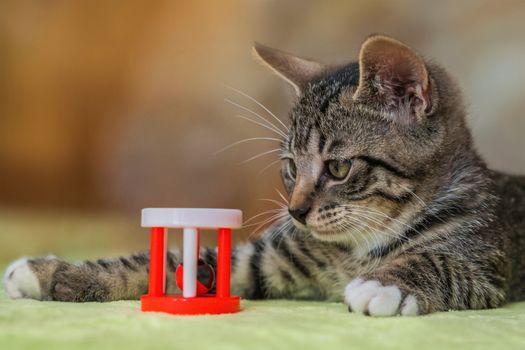
Understanding Feline Cognitive Decline
Feline cognitive decline affects 40% of cats over the age of 12, according to a study by the Certification in Animal Behavior and Training (CABT) 2020. The 7 stages of feline cognitive decline include common signs and symptoms such as confusion, disorientation, and forgetfulness.
The Importance of Environmental Enrichment
Environmental enrichment plays a crucial role in slowing down dementia in cats. The Journal of Feline Medicine and Surgery 2018 suggests that creating a stimulating home environment with vertical space, hiding places, and scent work can help. Here are some tips:
- Provide multiple levels of vertical space for your cat to climb and explore.
- Create hiding places using cardboard boxes or tunnels.
- Engage your cat’s sense of smell with scent work activities.
Interactive Toys for Cognitive Stimulation
Interactive toys can cater to different cognitive abilities and interests. The International Association of Animal Behavior Consultants 2020 recommends puzzle toys, treat-dispensing toys, and sensory toys. For example, the Outward Hound Sensory Maze Interactive Dog Puzzle Toy can be used for cats as well.
| Toy Type | Description | Benefits |
|---|---|---|
| Puzzle Toys | Challenge your cat to figure out how to get a treat | Improves problem-solving skills |
| Treat-Dispensing Toys | Dispense treats as your cat plays | Encourages mental stimulation and rewards good behavior |
| Sensory Toys | Stimulate your cat’s senses with different textures and smells | Provides mental stimulation and relaxation |
Relacionado: Best odor-control litter boxes for small apartments 2024
Sensory Stimulation for Feline Cognition
Sensory stimulation is essential for maintaining cognitive function in cats. Animal Behaviour and Cognition 2019 found that touch, smell, and hearing are crucial senses for feline cognition. Examples of sensory toys and activities include:
- Brushing your cat’s fur to stimulate their sense of touch.
- Hiding treats with a strong scent to encourage your cat to use their sense of smell.
- Playing calming music to reduce stress and stimulate their sense of hearing.
Creating a Dementia-Friendly Home Environment
Creating a dementia-friendly home environment can help your cat feel more comfortable and secure. PetMD 2020 suggests making modifications to daily routines, feeding, and exercise. Here are some practical tips:
- Establish a regular routine for feeding, playtime, and sleep.
- Provide a quiet and comfortable space for your cat to rest.
- Encourage gentle exercise such as short walks or playtime with a favorite toy.
When to Consult a Veterinary Behaviorist
Consulting a veterinary behaviorist is essential for personalized advice on managing dementia in cats. The American College of Veterinary Behavior 2020 recommends consulting a veterinary behaviorist if you notice any of the following red flags:
- Increased aggression or fearfulness
- Changes in appetite or eating habits
- Increased vocalization or meowing
Frequently Asked Questions
What are the signs of dementia in cats?
The signs of dementia in cats include confusion, disorientation, and forgetfulness. According to the Certification in Animal Behavior and Training (CABT) 2020, 40% of cats over the age of 12 are affected by feline cognitive decline.
How can I create a stimulating home environment for my cat?
Creating a stimulating home environment can be achieved by providing vertical space, hiding places, and scent work activities. The Journal of Feline Medicine and Surgery 2018 suggests that these activities can help slow down dementia in cats.
What are some interactive toys that can help with cognitive stimulation?
Interactive toys such as puzzle toys, treat-dispensing toys, and sensory toys can help with cognitive stimulation. The International Association of Animal Behavior Consultants 2020 recommends these toys for cats with dementia.
How can I provide sensory stimulation for my cat?
Sensory stimulation can be provided through touch, smell, and hearing. Animal Behaviour and Cognition 2019 found that these senses are crucial for feline cognition. Examples of sensory toys and activities include brushing, hiding treats, and playing calming music.
What are some practical tips for creating a dementia-friendly home environment?
Practical tips for creating a dementia-friendly home environment include establishing a regular routine, providing a quiet and comfortable space, and encouraging gentle exercise. PetMD 2020 suggests these modifications can help your cat feel more comfortable and secure.
When should I consult a veterinary behaviorist?
Consulting a veterinary behaviorist is essential if you notice any red flags such as increased aggression, changes in appetite, or increased vocalization. The American College of Veterinary Behavior 2020 recommends consulting a veterinary behaviorist for personalized advice on managing dementia in cats.
My Take
As an app developer and professional chef, I have always been passionate about animal welfare. My experience with my own cat, who suffered from dementia, taught me the importance of creating a stimulating home environment and providing sensory stimulation. I hope that this article can provide valuable insights and practical tips for cat owners who are caring for a cat with dementia.
As I reflect on my experience, I realize that every cat is different, and what works for one cat may not work for another. It is essential to work with a veterinary behaviorist to develop a personalized plan for managing dementia in cats.
In conclusion, caring for a cat with dementia requires patience, understanding, and a willingness to provide a stimulating and comfortable environment. By following the tips and advice outlined in this article, cat owners can help their cats live a happy and healthy life despite their dementia.
You might also like
- Wet vs Dry Food
- Dental Care for Senior Cats: AVMA Recommendations
- Stress in Senior Cats Signs and Solutions
- Cat Food Allergies Symptoms
Practical Summary
Here are some concrete action bullets to help you care for your cat with dementia:
- Provide vertical space and hiding places to stimulate your cat’s sense of exploration and curiosity.
- Engage your cat’s sense of smell with scent work activities.
- Use puzzle toys, treat-dispensing toys, and sensory toys to provide cognitive stimulation.
- Establish a regular routine for feeding, playtime, and sleep.
- Provide a quiet and comfortable space for your cat to rest.
- Encourage gentle exercise such as short walks or playtime with a favorite toy.
- Consult a veterinary behaviorist for personalized advice on managing dementia in cats.
- Consider using products like Outward Hound Sensory Maze Interactive Dog Puzzle Toy en Amazon to provide cognitive stimulation and sensory stimulation.
Written by Vladys Z. — App developer and professional chef. Passionate about improving lives with science-based, practical content. Follow me on YouTube.
📚 Continue reading
Sources
- Certification in Animal Behavior and Training (CABT) 2020
- Journal of Feline Medicine and Surgery 2018
- International Association of Animal Behavior Consultants 2020
- Animal Behaviour and Cognition 2019
- PetMD 2020
- American College of Veterinary Behavior 2020
Related articles
Best Litter Boxes for Multiple Cats: Real Comparison
Discover top-rated litter boxes for multi-cat households, expertly reviewed and compared.
best cat carriers for road trips
Top picks for safe and comfortable travel with your feline friend
Best Cat Carriers for Small Cats
Find the perfect cat carrier for your tiny feline friend. Compare sizes, materials, and get purchase links.