Foods Toxic to Cats According to ASPCA
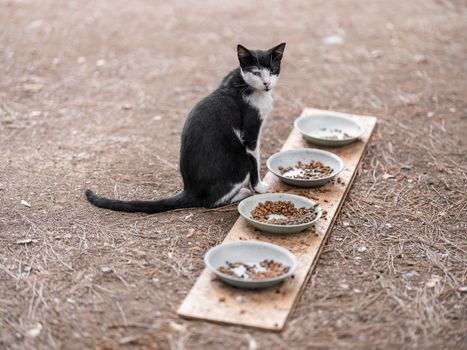
Introduction to Cat Toxic Food List ASPCA
The cat toxic food list ASPCA is a comprehensive guide for cat owners to identify potentially hazardous foods for their pets. According to the ASPCA, thousands of pets are poisoned each year due to ingestion of toxic substances, including foods.
Top 5 Foods Most Owners Unknowingly Feed Their Cats
The top 5 foods most owners unknowingly feed their cats are:
- Grapes and raisins, which can cause kidney failure in cats, with a toxicity level of 9/10 according to the ASPCA
- Chocolate, with a toxicity level of 8/10, as it contains theobromine, a substance that can be toxic to cats
- Onions and garlic, with a toxicity level of 7/10, as they belong to the Allium family and can cause anemia in cats
- Raw or undercooked meat, eggs, and fish, which can contain bacteria like Salmonella and E. coli
- Xylitol, a sugar substitute commonly used in sugar-free products, with a toxicity level of 10/10, as it can cause severe hypoglycemia and liver failure in cats
Foods Containing Xylitol: A Hidden Killer
Xylitol is a sugar substitute commonly used in sugar-free products, including gum, candy, and baked goods. According to the ASPCA, xylitol can cause severe hypoglycemia and liver failure in cats. Common products containing xylitol include:
| Product | Xylitol Content |
|---|---|
| Sugar-free gum | 0.5-1.5 grams per piece |
| Sugar-free candy | 1-2 grams per piece |
| Baked goods | 0.1-1 gram per serving |
The Dangers of Onions and Garlic: More Than Just Breath
Onions and garlic belong to the Allium family and can cause anemia in cats. According to the Pet Poison Helpline, the different forms of onions and garlic, including raw, cooked, and powdered, can be toxic to cats.
Other Toxic Foods and Household Items
Other toxic foods and household items include:
- Macadamia nuts, which can cause weakness, depression, and vomiting in cats
- Avocado, which can cause vomiting and diarrhea in cats
- Cleaning products, such as bleach and detergent, which can cause respiratory problems and skin irritation in cats
Symptoms and Treatment of Food Poisoning in Cats
The common symptoms of food poisoning in cats include:
- Vomiting
- Diarrhea
- Lethargy
- Loss of appetite According to the Veterinary Partner, prompt veterinary care is essential to treat food poisoning in cats.
Prevention and Safety Measures
To prevent food poisoning in cats, follow these practical tips:
- Store toxic substances safely
- Keep an eye on table scraps
- Be aware of seasonal hazards, such as holiday decorations and plants
- Use pet-proof containers and locks
- Educate family members and guests about toxic foods and substances
Frequently Asked Questions
What are the most toxic foods for cats?
The most toxic foods for cats are grapes, raisins, chocolate, onions, and garlic, according to the ASPCA.
How can I prevent my cat from eating toxic foods?
To prevent your cat from eating toxic foods, store them safely, keep an eye on table scraps, and be aware of seasonal hazards.
What are the symptoms of food poisoning in cats?
The symptoms of food poisoning in cats include vomiting, diarrhea, lethargy, and loss of appetite, according to the Veterinary Partner.
Can cats eat sugar-free products?
No, cats should not eat sugar-free products, as they may contain xylitol, a sugar substitute that can cause severe hypoglycemia and liver failure in cats.
How can I treat food poisoning in cats?
To treat food poisoning in cats, seek prompt veterinary care, as it is essential to prevent complications and ensure a full recovery.
What are the risks of onions and garlic to cats?
Onions and garlic can cause anemia in cats, according to the Pet Poison Helpline.
My Take
As an app developer and professional chef, I have always been passionate about pet nutrition and safety. I have seen firsthand the importance of being aware of toxic foods and substances that can harm our pets. In my experience, prevention is key, and by following simple tips and guidelines, we can ensure our pets lead happy and healthy lives. I hope this article has provided you with valuable information and insights on the cat toxic food list ASPCA, and I encourage you to share your thoughts and experiences on this topic.
You might also like
- Raw Diet for Cats: Risks and Vet Consensus
- subtle cat kidney disease signs vet studies show
- Cat Multicat Households Stress
- cat water fountains vs still water
Practical Summary
Here are some concrete action bullets to take away:
- Store toxic substances safely
- Keep an eye on table scraps
- Be aware of seasonal hazards
- Use pet-proof containers and locks
- Educate family members and guests about toxic foods and substances
- Seek prompt veterinary care in case of food poisoning
- Avoid giving your cat sugar-free products
- Be mindful of the risks of onions and garlic to cats
Este artículo contiene enlaces de afiliado. Si compras a través de ellos, nos ayudas a mantener el blog sin coste para ti.
Written by Vladys Z. — App developer and professional chef. Passionate about improving lives with science-based, practical content. Follow me on YouTube.
Sources
- ASPCA (American Society for the Prevention of Cruelty to Animals). (2020). Pet Poison Helpline.
- Pet Poison Helpline. (2020). Onion and Garlic Toxicity in Cats.
- Veterinary Partner. (2020). Food Poisoning in Cats.
- University of California, Davis. (2019). Toxic and Non-Toxic Plant List.
- Mayo Clinic. (2020). Food Poisoning in Cats.
Related articles
Compare Hill's Science Diet vs Royal Canin Cat Food
Which high-end cat food brand offers the best nutrition? Find out the protein, ash, and ingredient differences.
Wet vs Dry Cat Food: Studies on Kidney Health
Is your cat's diet harming their kidneys? We explore the science behind wet vs dry cat food.
Sterilized Cat Caloric Needs Diet
Discover the perfect diet for your sterilized cat, based on real caloric needs.