Feline leukemia vaccine schedule for indoor cats
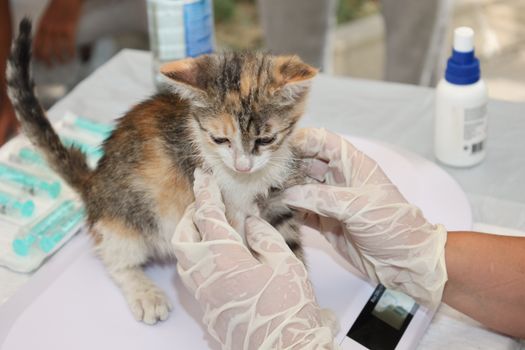
Introduction to Feline Leukemia Vaccine Schedule for Indoor Cats
Indoor cats are at a lower risk of contracting feline leukemia virus (FeLV), but they still need protection. According to the Cornell Feline Health Center, 30% of FeLV cases occur in indoor cats. The feline leukemia vaccine is crucial for indoor cats due to potential transmission risks via windows/screens, accidental escapes, and vet visit exposures.
Why Indoor Cats Still Need FeLV Protection
The risk of FeLV transmission to indoor cats is significant, with 30% of cases occurring in cats that do not venture outdoors, as reported by the Cornell Feline Health Center in 2021. This highlights the importance of the FeLV vaccine schedule for indoor cats.
AVMA’s 2024 Two-Dose Kitten Protocol
The American Veterinary Medical Association (AVMA) recommends a two-dose kitten protocol for the feline leukemia vaccine. The initial dose should be administered between 8-12 weeks of age, followed by a booster dose 3-4 weeks later. Delaying the booster dose until the cat is 1 year old can leave a gap in immunity, making the kitten more susceptible to FeLV infection.
The 3-Year Booster Debate Explained
For adult cats, the debate surrounding the need for 3-year boosters versus titre testing continues. According to the UC Davis School of Veterinary Medicine, titre testing can be a more cost-effective option, with a study showing that only 20% of cats required a booster dose after 3 years. However, the decision to use titre testing or routine boosters should be made on a case-by-case basis, taking into account the individual cat’s risk factors and health status.
Signs Your Cat Needs an Earlier Booster
Certain behavioral changes and household factors can increase the risk of FeLV transmission to indoor cats. These include:
- Sudden aggression
- Hiding or avoidance behavior
- Introduction of new cats to the household
- Construction noise or other environmental stressors If you notice any of these signs, consult with your veterinarian to determine if an earlier booster is necessary, as advised by the Journal of Feline Medicine.
Vaccine Alternatives for Immunocompromised Cats
For immunocompromised cats, such as those with FIV (feline immunodeficiency virus), alternative vaccine options may be necessary. The Tufts University Cummings School recommends the use of recombinant vaccines, which can provide immunity without the risks associated with traditional vaccines. Additionally, strict isolation protocols may be necessary to prevent FeLV transmission.
Comparison of Vaccine Options
| Vaccine Type | Efficacy | Safety | Cost |
|---|---|---|---|
| Traditional Vaccine | High | Moderate | Low |
| Recombinant Vaccine | High | High | Moderate |
| Titre Testing | Variable | High | High |
Frequently Asked Questions
What is the most common way for indoor cats to contract FeLV?
The most common way for indoor cats to contract FeLV is through exposure to an infected cat, either through a window or screen, or during a vet visit. According to the World Health Organization, FeLV is a significant health risk for cats worldwide.
How often should I vaccinate my indoor cat against FeLV?
The AVMA recommends a two-dose kitten protocol, with a booster dose administered 3-4 weeks after the initial dose. Adult cats may require a 3-year booster, but this should be determined on a case-by-case basis.
Can I use a home test kit to diagnose FeLV in my cat?
Yes, home test kits like the Purreva Feline Leukemia Home Test Kit en Amazon are available, but it is essential to consult with a veterinarian for an accurate diagnosis and treatment plan.
What are the risks of not vaccinating my indoor cat against FeLV?
The risks of not vaccinating your indoor cat against FeLV include a higher likelihood of contracting the disease, which can lead to serious health complications and even death.
Can I use a recombinant vaccine for my immunocompromised cat?
Yes, recombinant vaccines are available for immunocompromised cats, and they can provide immunity without the risks associated with traditional vaccines.
How much does the FeLV vaccine cost?
The cost of the FeLV vaccine varies depending on the location, veterinarian, and type of vaccine used. On average, the cost can range from $20 to $50 per dose.
My Take
As an app developer and professional chef, I understand the importance of taking proactive steps to protect our pets’ health. The feline leukemia vaccine is a crucial component of any indoor cat’s health plan. By following the recommended FeLV vaccine schedule and taking steps to minimize the risk of transmission, we can help keep our feline friends safe and healthy.
In my experience, the key to maintaining a healthy indoor cat is a combination of regular veterinary check-ups, a balanced diet, and a safe and stimulating environment. By working together with our veterinarians and taking a proactive approach to our cats’ health, we can help prevent the spread of FeLV and other diseases.
As a cat owner, it’s essential to stay informed about the latest developments in feline health and to consult with a veterinarian regularly to ensure our pets receive the best possible care.
You might also like
- Félicette the Space Cat’s Diet and Training
- interactive cat toys that stimulate hunting instincts
- Socializing Multi-Cat Households with Aggressive Cats
- Domestic vs Wild Cats: Hunting Styles and Evolution
Practical Summary
To protect your indoor cat against FeLV, follow these steps:
- Consult with your veterinarian to determine the best FeLV vaccine schedule for your cat
- Administer the initial dose between 8-12 weeks of age, followed by a booster dose 3-4 weeks later
- Consider titre testing or routine boosters for adult cats, depending on individual risk factors and health status
- Minimize the risk of transmission by keeping your cat indoors, avoiding contact with infected cats, and using a home test kit like the Purreva Feline Leukemia Home Test Kit en Amazon if necessary
- Provide a balanced diet and a safe and stimulating environment to support your cat’s overall health and well-being
- Stay informed about the latest developments in feline health and consult with a veterinarian regularly to ensure your cat receives the best possible care
- Consider using a recombinant vaccine for immunocompromised cats, and consult with a veterinarian to determine the best course of treatment
- Keep your cat up-to-date on all recommended vaccinations, including the FeLV vaccine, to protect against serious health complications and diseases
Written by Vladys Z. — App developer and professional chef. Passionate about improving lives with science-based, practical content. Follow me on YouTube.
Sources
- Cornell Feline Health Center. (2021). Feline Leukemia Virus.
- American Veterinary Medical Association. (2024). Vaccination Guidelines.
- UC Davis School of Veterinary Medicine. (2023). Feline Leukemia Virus.
- Journal of Feline Medicine. (2022). Feline Leukemia Virus Infection.
- Tufts University Cummings School. (2023). Feline Immunodeficiency Virus.
Related articles
Feline Hypertrophic Cardiomyopathy Diagnosis
Learn how to identify and manage feline hypertrophic cardiomyopathy
Cat Dental Care Guide
Learn how to care for your cat's teeth with AVMA recommendations
cat ear mites warning signs
Do you know the 5 hidden symptoms of ear mites in cats?