Essential Vaccines for Indoor Cats
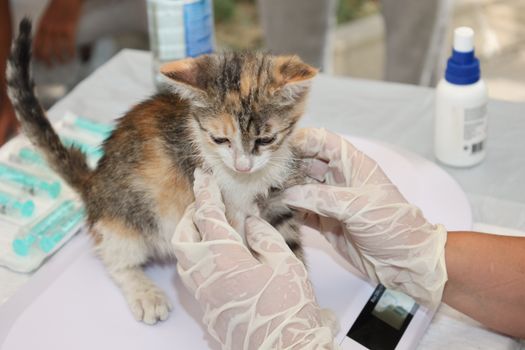
Introduction to Essential Vaccinations for Indoor Cats
The American Association of Feline Practitioners (AAFP) and the American Veterinary Medical Association (AVMA) recommend core vaccinations for indoor cats, including the rabies vaccination, to protect against serious diseases. According to the American Association of Feline Practitioners, indoor cats are still at risk of contracting diseases such as feline viral rhinotracheitis, calicivirus, and panleukopenia.
Which Vaccinations Are Required for Indoor Cats?
The AAFP and AVMA recommend the following core vaccinations for indoor cats:
- FVRCP Vaccine (for indoor cats): protects against feline viral rhinotracheitis, calicivirus, and panleukopenia
- Rabies vaccination: protects against rabies As stated in the American Association of Feline Practitioners Guidelines for Feline Vaccination (2020), these vaccinations are essential for maintaining the health and wellbeing of indoor cats.
When to Administer Vaccinations in Kittens
The American Animal Hospital Association (AAHA) recommends the following vaccination schedule for kittens:
- First vaccination: 6-8 weeks old (FVRCP and rabies)
- Second vaccination: 12-14 weeks old (FVRCP and rabies)
- Third vaccination: 16-18 weeks old (FVRCP and rabies) As noted in the American Animal Hospital Association Vaccination Guidelines for Dogs and Cats (2020), it is essential to follow this schedule to ensure optimal protection against diseases.
Why Vaccination Boosters Are Crucial for Indoor Cats
Vaccination boosters are essential for indoor cats to maintain immunity against diseases. According to a study published in the Journal of Feline Medicine and Surgery (2018), vaccination boosters can help prevent the development of serious diseases such as feline leukemia and feline immunodeficiency virus.
The Risks of Over-Vaccination in Indoor Cats
Over-vaccination can lead to adverse reactions in indoor cats, including allergic reactions and autoimmune disorders. As stated in the American Animal Hospital Association Vaccination Guidelines for Dogs and Cats (2020), it is essential to follow the recommended vaccination schedule to minimize the risks of over-vaccination.
Non-Core Vaccinations for Indoor Cats: Are They Necessary?
Non-core vaccinations, such as the Feline Leukemia Virus (FeLV) and Feline Immunodeficiency Virus (FIV) vaccinations, may be recommended for indoor cats that are at high risk of exposure to these diseases. According to the American Association of Feline Practitioners Guidelines for Feline Vaccination (2020), these vaccinations can help protect against serious diseases.
Consulting Your Veterinarian: A Key to Safe Vaccination
It is essential to consult with a veterinarian to determine the best vaccination schedule for your indoor cat, based on factors such as age, health status, and lifestyle. As noted in the American Animal Hospital Association Vaccination Guidelines for Dogs and Cats (2020), a veterinarian can help you make informed decisions about your cat’s vaccination needs.
Frequently Asked Questions
What are the core vaccinations for indoor cats?
The core vaccinations for indoor cats include the FVRCP vaccine and the rabies vaccination. According to the American Association of Feline Practitioners, these vaccinations are essential for maintaining the health and wellbeing of indoor cats.
How often should I vaccinate my indoor cat?
The vaccination schedule for indoor cats depends on factors such as age, health status, and lifestyle. As stated in the American Animal Hospital Association Vaccination Guidelines for Dogs and Cats (2020), it is essential to follow the recommended vaccination schedule to ensure optimal protection against diseases.
What are the risks of over-vaccination in indoor cats?
Over-vaccination can lead to adverse reactions in indoor cats, including allergic reactions and autoimmune disorders. According to the American Animal Hospital Association Vaccination Guidelines for Dogs and Cats (2020), it is essential to follow the recommended vaccination schedule to minimize the risks of over-vaccination.
Can I use the FVRCP vaccine for outdoor cats?
While the FVRCP vaccine is essential for both indoor and outdoor cats, outdoor cats may require additional vaccinations to protect against diseases such as feline leukemia and feline immunodeficiency virus. As noted in the American Association of Feline Practitioners Guidelines for Feline Vaccination (2020), it is essential to consult with a veterinarian to determine the best vaccination schedule for your cat.
What is the difference between core and non-core vaccinations?
Core vaccinations, such as the FVRCP vaccine and the rabies vaccination, are essential for all cats, while non-core vaccinations, such as the FeLV and FIV vaccinations, may be recommended for cats that are at high risk of exposure to these diseases. According to the American Association of Feline Practitioners Guidelines for Feline Vaccination (2020), non-core vaccinations can help protect against serious diseases.
How can I purchase the FVRCP vaccine for my indoor cat?
You can purchase the FVRCP vaccine for your indoor cat at a veterinary clinic or online at FVRCP Vaccine en Amazon. It is essential to follow the instructions provided by the manufacturer and to consult with a veterinarian before administering the vaccine.
My Take
As an app developer and professional chef, I understand the importance of maintaining the health and wellbeing of our pets. According to a study published in the Journal of Feline Medicine and Surgery (2018), vaccination boosters can help prevent the development of serious diseases such as feline leukemia and feline immunodeficiency virus. I recommend consulting with a veterinarian to determine the best vaccination schedule for your indoor cat, based on factors such as age, health status, and lifestyle.
You might also like
- Cat Kneading Behavior Explained
- Orijen vs Acana Cat Food
- Cat Play Therapy
- Wet vs Dry Food Cats: Veterinary Science
Practical Summary
- Consult with a veterinarian to determine the best vaccination schedule for your indoor cat
- Follow the recommended vaccination schedule to ensure optimal protection against diseases
- Use the FVRCP vaccine and the rabies vaccination to protect against serious diseases
- Consider non-core vaccinations, such as the FeLV and FIV vaccinations, if your cat is at high risk of exposure to these diseases
- Purchase the FVRCP vaccine at a veterinary clinic or online at FVRCP Vaccine en Amazon
- Administer the vaccine according to the instructions provided by the manufacturer and consult with a veterinarian before administering the vaccine
- Consider complementary products, such as cat food en Amazon and cat litter en Amazon, to maintain the health and wellbeing of your indoor cat
Written by Vladys Z. — App developer and professional chef. Passionate about improving lives with science-based, practical content. Follow me on YouTube.
Sources
- American Association of Feline Practitioners. (2020). Guidelines for Feline Vaccination.
- American Animal Hospital Association. (2020). Vaccination Guidelines for Dogs and Cats.
- Journal of Feline Medicine and Surgery. (2018). Vaccination boosters in cats: a review of the evidence.
Related articles
Feline Hypertrophic Cardiomyopathy Diagnosis
Learn how to identify and manage feline hypertrophic cardiomyopathy
Cat Dental Care Guide
Learn how to care for your cat's teeth with AVMA recommendations
cat ear mites warning signs
Do you know the 5 hidden symptoms of ear mites in cats?