Decoding cat food labels: hidden ingredients to avoid
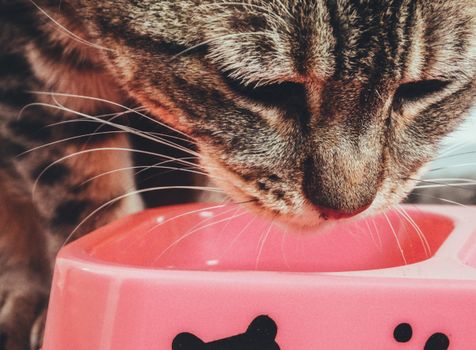
Introduction to Reading Cat Food Labels
When it comes to reading cat food labels, understanding the ingredient list is crucial for your cat’s health. According to the AAFCO Pet Food Labeling Guide 2023, ingredients are listed by weight, with the first 5 ingredients being the most significant. However, some manufacturers use misleading positioning, such as splitting grains into different components to make them appear lower on the list.
Understanding the Ingredient List Order
To decode cat food labels, you need to know how to interpret the ingredient list. The first 5 ingredients should be named meats, such as chicken or salmon, rather than generic terms like meat by-products. Here’s an example of how to identify misleading positioning:
| Ingredient | Weight |
|---|---|
| Chicken | 20% |
| Corn | 15% |
| Wheat | 10% |
| Pea Protein | 5% |
| Potato Starch | 5% |
Hidden Names for Sugar and Carbs
Some cat food ingredients can be harmful to your cat’s health, such as sugars and high-carb fillers. According to a Journal of Feline Medicine 2022 study on feline diabetes, alternative names for sugars include:
- Dextrose
- Maltodextrin
- Fructose High-carb fillers can be identified by names like:
- Pea protein
- Potato starch
- Tapioca
The Truth About ‘Natural Flavors’
The term ‘natural flavors’ can be misleading, as it can include animal digest and MSG derivatives. According to the FDA Pet Food Labeling Regulations 2021, to identify better alternatives, look for specific flavor names, such as chicken flavor or salmon flavor.
Controversial Preservatives to Watch For
Some chemical preservatives, such as BHA, BHT, and ethoxyquin, have been linked to health risks. According to the World Small Animal Veterinary Association 2020 guidelines, natural alternatives to look for include:
- Vitamin E
- Vitamin C
- Rosemary extract
Misleading Marketing Claims Decoded
Marketing claims like ‘premium’, ‘grain-free’, and ‘veterinary diet’ are not regulated and can be misleading. According to a Tufts University Petfoodology 2023 analysis, to make informed decisions, check the ingredient list and look for third-party certifications, such as AAFCO or NRC.
The Protein Quality Red Flags
Low-quality protein sources can be identified by label wording, such as meat by-products instead of named meats. According to the AAFCO Official Publication 2024, here are some tips to identify high-quality protein sources:
- Look for named meats, such as chicken or salmon.
- Avoid generic terms like meat by-products.
- Check the protein content, which should be at least 30% on a dry matter basis.
Frequently Asked Questions
What are the most common harmful cat food additives?
The most common harmful cat food additives include sugars, high-carb fillers, and chemical preservatives. According to a Mayo Clinic article, these additives can increase the risk of obesity, diabetes, and other health problems.
How do I choose the best cat food for my cat?
To choose the best cat food for your cat, consider factors like age, health status, and lifestyle. According to a World Health Organization report, look for cat foods that are high in protein, moderate in fat, and low in carbohydrates.
Can I make my own cat food at home?
While making your own cat food at home can be a good option, it requires careful planning and attention to nutritional balance. According to a Journal of Animal Science study, homemade cat food should be formulated to meet your cat’s specific nutritional needs, and should be done under the guidance of a veterinarian or animal nutritionist.
My Take
As an app developer and professional chef, I have always been interested in the connection between food and health. When it comes to cat food, I believe that reading cat food labels is crucial for making informed decisions. In my experience, many cat owners are unaware of the potential health risks associated with certain ingredients, such as sugars and chemical preservatives. By choosing high-quality cat food and avoiding harmful additives, cat owners can help promote their cat’s overall health and well-being.
You might also like
- Why Cats Knock Things Off
- Domestic vs Wild Cats Hunting Behavior
- Cat Lymphoma Warning Signs in Senior Cats
- Feline Hyperesthesia Syndrome Causes Symptoms Treatment
Practical Summary
Here are some concrete action bullets to help you decode cat food labels and choose the best cat food for your cat:
- Always read the ingredient list and look for named meats as the first 5 ingredients.
- Avoid cat foods with sugars, high-carb fillers, and chemical preservatives.
- Choose cat foods that are high in protein, moderate in fat, and low in carbohydrates.
- Consider adding PureBites Freeze-Dried Raw Cat Food Toppers en Amazon to your cat’s diet for a nutrient-rich and healthy treat.
- Consult with a veterinarian or animal nutritionist to determine the best cat food for your cat’s specific needs.
- Stay informed about the latest research and guidelines on cat nutrition, such as the AAFCO Pet Food Labeling Guide 2023.
- Consider complementary products, such as Omega-3 fatty acid supplements en Amazon, to support your cat’s overall health and well-being.
Written by Vladys Z. — App developer and professional chef. Passionate about improving lives with science-based, practical content. Follow me on YouTube.
Sources
- AAFCO. (2023). Pet Food Labeling Guide.
- Journal of Feline Medicine. (2022). Feline Diabetes Study.
- FDA. (2021). Pet Food Labeling Regulations.
- World Small Animal Veterinary Association. (2020). Guidelines for Pet Food.
- Tufts University. (2023). Petfoodology Analysis.
- AAFCO. (2024). Official Publication.
- Mayo Clinic. (2022). Cat Nutrition Article.
- World Health Organization. (2022). Report on Animal Nutrition.
- Journal of Animal Science. (2022). Study on Homemade Cat Food.
Related articles
Foods Toxic to Cats According to ASPCA
Discover 10+ foods that are deadly for your feline friend and how to keep them safe.
sterilized cat diet for weight management
Discover the best diet for sterilized cats to manage weight and prevent obesity-related health issues.
sterilized cat diet needs after surgery
Discover the optimal diet for your cat after sterilization surgery, ensuring they recover quickly and stay healthy