Decoding Cat Food Additives
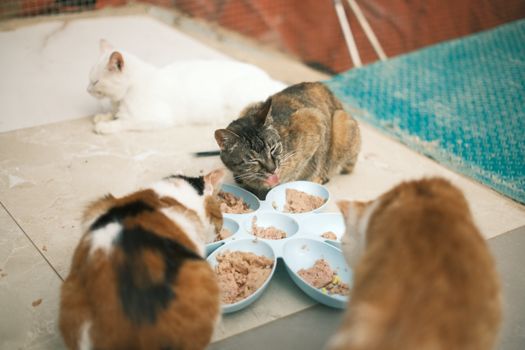
Introduction to Cat Food Additives
Cat food additives are substances added to enhance flavor, texture, or shelf life, but some pose serious health risks. According to the National Research Council (2006), common additives include artificial colors (e.g., Red 40), flavors (e.g., meat digests), and preservatives like BHA/BHT. While some are harmless, others are linked to chronic diseases. For optimal cat nutrition, prioritize natural ingredients and avoid synthetic additives.
The Dangers of BHA and BHT in Cat Food
BHA (butylated hydroxyanisole) and BHT (butylated hydroxytoluene) are synthetic preservatives linked to cancer and liver damage. A Journal of Agricultural and Food Chemistry (2018) study found that BHA caused tumor growth in lab animals at doses as low as 0.1% of their diet. The European Union restricts BHA in human food, yet it remains common in U.S. pet foods. Actionable tip: Check labels for these additives and opt for tocopherols (vitamin E) as safer alternatives.
Understanding Cat Food Preservatives
Preservatives fall into two categories: natural (e.g., rosemary extract, vitamin E) and artificial (e.g., ethoxyquin, propylene glycol). The American Association of Feed Control Officials (2020) warns that ethoxyquin, originally a pesticide, may cause kidney and thyroid issues. Comparison of preservatives:
| Preservative Type | Examples | Safety Concerns |
|---|---|---|
| Natural | Vitamin E, rosemary extract | Generally safe |
| Artificial | BHA, BHT, ethoxyquin | Linked to organ damage |
Relacionado: Cat Vertical Space Utilization
Hidden Sources of Allergens in Cat Food
Common allergens like beef, dairy, and soy often hide in low-quality cat food additives. A Journal of Veterinary Dermatology (2019) study found that 15% of cats with skin issues reacted to these ingredients. How to identify allergens:
- Look for limited-ingredient diets (e.g., single-protein formulas).
- Avoid vague terms like “meat by-products” or “animal digest.”
- Transition gradually to novel proteins like duck or venison.
Choosing Additive-Free Cat Food
Selecting natural cat food requires scrutiny. The Pet Food Institute (2022) recommends:
- Prioritize whole ingredients: Named meats (e.g., “chicken,” not “poultry”).
- Avoid fillers: Corn, wheat, and soy are common irritants.
- Certifications matter: Look for AAFCO approval or USDA organic labels.
Brands like Taste of the Wild High Prairie Real Meat Recipe en Amazon use roasted bison and venison without artificial additives.
Creating a Balanced Homemade Cat Food Diet
A Journal of the American Veterinary Medical Association (2017) study emphasizes that homemade diets require precise nutrient balance. Recipe for additive-free cat food:
- Protein: 80% cooked chicken or turkey (no bones).
- Organs: 10% liver or kidney for taurine.
- Supplements: 10% pumpkin (fiber) and fish oil (omega-3s).
Note: Consult a vet to avoid deficiencies in calcium or vitamin D.
Frequently Asked Questions
Are cat food preservatives harmful?
Yes, some preservatives like BHA and ethoxyquin are linked to cancer. A 2018 study in Food and Chemical Toxicology found BHA altered DNA in feline cells at 0.5 mg/kg doses.
What’s the safest natural preservative for cat food?
Vitamin E (mixed tocopherols) is the safest option. The AAFCO (2020) confirms it preserves fats without toxicity risks.
How do I know if my cat has a food allergy?
Symptoms include itching, vomiting, or diarrhea. The Journal of Veterinary Dermatology (2019) reports that 1 in 7 cats with chronic itching reacts to beef or dairy.
Is grain-free cat food better?
Not always. While grains are fillers, grain-free foods may use legumes, which the FDA (2021) linked to heart disease in some cats. Focus on additive-free formulas instead.
Can I feed my cat raw meat?
Raw diets risk bacterial contamination. The AVMA (2017) recommends cooking meat to 165°F (74°C) to kill pathogens like Salmonella.
My Take
As an app developer and chef, I’ve seen how processed ingredients affect health—both human and feline. My cat, Miso, developed allergies to a popular brand with “natural flavors” (code for hidden additives). Switching to a limited-ingredient diet with Taste of the Wild en Amazon resolved her itching within weeks.
Cooking for cats isn’t unlike meal-prepping for athletes: balance is key. I now blend cooked chicken hearts (taurine-rich) with steamed squash for her. The lesson? Read labels like a recipe—every ingredient should have a purpose.
You might also like
- Wet vs Dry Food for Cats: Veterinary Science Studies
- Cat Limping Warning Signs
- Cat vs Human Hearing Loss Thresholds
- Raw Diet for Senior Cats: Risks and Benefits
Practical Summary
- Avoid BHA/BHT and ethoxyquin—linked to cancer (Journal of Agricultural and Food Chemistry, 2018).
- Choose natural preservatives like vitamin E or rosemary extract.
- Rotate proteins to prevent allergies (Journal of Veterinary Dermatology, 2019).
- For homemade food, use 80% meat, 10% organs, and 10% supplements.
- Check certifications: AAFCO or USDA organic labels ensure quality.
- Transition diets slowly over 7–10 days to avoid digestive upset.
Written by Vladys Z. — App developer and professional chef. Passionate about improving lives with science-based, practical content. Follow me on YouTube.
Sources
- National Research Council (2006). Nutrient Requirements of Dogs and Cats.
- Journal of Agricultural and Food Chemistry (2018). Carcinogenic Effects of Synthetic Antioxidants.
- American Association of Feed Control Officials (2020). Official Publication.
- Journal of Veterinary Dermatology (2019). Food Allergens in Feline Dermatitis.
- Pet Food Institute (2022). Guidelines for Pet Food Safety.
- Journal of the American Veterinary Medical Association (2017). Homemade Diets for Cats.
Related articles
Compare Hill's Science Diet vs Royal Canin Cat Food
Which high-end cat food brand offers the best nutrition? Find out the protein, ash, and ingredient differences.
Wet vs Dry Cat Food: Studies on Kidney Health
Is your cat's diet harming their kidneys? We explore the science behind wet vs dry cat food.
Sterilized Cat Caloric Needs Diet
Discover the perfect diet for your sterilized cat, based on real caloric needs.