Core Vaccines for Kittens
Introduction to Core Vaccines
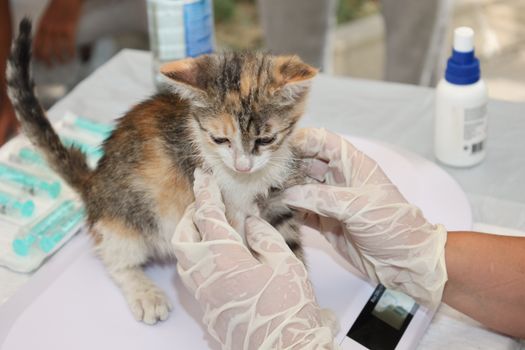
Core vaccines for kittens are essential immunizations that protect against life-threatening diseases. According to the American Veterinary Medical Association (AVMA) 2022, these vaccines target feline panleukopenia (FPV), feline calicivirus (FCV), feline herpesvirus-1 (FHV-1), and rabies. These diseases are highly contagious and can be fatal, making early vaccination critical. The AVMA vaccine protocols recommend starting vaccinations at 6-8 weeks of age, with boosters every 3-4 weeks until 16 weeks.
Key diseases prevented:
- Feline panleukopenia: Mortality rate of 50-90% in unvaccinated kittens [AVMA 2022]
- Rabies: 100% fatal once symptoms appear [CDC 2020]
- Upper respiratory infections (FCV/FHV-1): Responsible for 80% of feline respiratory cases [Journal of Feline Medicine 2019]
Rabies Vaccine for Kittens
The rabies vaccine is legally required in most U.S. states and typically administered at 12-16 weeks. The Centers for Disease Control and Prevention (CDC) 2020 reports that rabies causes 59,000 human deaths annually, with cats being the most commonly reported rabid domestic animal.
Administration guidelines:
- First dose: 12-16 weeks
- Booster: 1 year later, then every 1-3 years depending on vaccine type
- Side effects: Mild fever (1-2% of cases) or localized swelling [CDC 2020]
For optimal protection, consider the Nobivac Feline 1-HCP Vaccine en Amazon, which combines core protections.
FVRCP Vaccine Details
The FVRCP vaccine (Feline Viral Rhinotracheitis, Calicivirus, Panleukopenia) is the cornerstone of kitten immunization. A 2019 Journal of Feline Medicine study showed it provides 90% protection against panleukopenia when the full series is completed.
Standard kitten vaccination schedule:
| Age | Vaccine | Protection Duration |
|---|---|---|
| 6-8 weeks | FVRCP #1 | Partial |
| 10-12 weeks | FVRCP #2 | 1 year |
| 14-16 weeks | FVRCP #3 | 3 years |
Relacionado: why cats rub faces on furniture
Non-Core Vaccines for Kittens
Non-core vaccines like feline leukemia (FeLV) and feline immunodeficiency virus (FIV) are recommended based on lifestyle. The American Association of Feline Practitioners (AAFP) 2021 guidelines suggest:
- FeLV: For outdoor cats (30% of exposed kittens develop persistent infection)
- FIV: Only for high-risk multi-cat households
Vaccine Reactions and Safety
Mild reactions occur in 1-2% of kittens according to the Veterinary Information Network (VIN) 2022. Common symptoms include:
- Lethargy (24-48 hours)
- Mild fever (<103°F)
- Localized swelling
Emergency signs requiring vet attention:
- Vomiting/diarrhea
- Facial swelling
- Difficulty breathing
Relacionado: Dental Care for Senior Cats: AVMA Recommendations
Creating a Vaccination Schedule
Follow this AVMA 2022-recommended approach:
- Assess risk factors (indoor/outdoor, multi-cat household)
- Start core vaccines at 6-8 weeks
- Add non-core vaccines if high risk
- Document all doses in a pet health app
Frequently Asked Questions
What shots do kittens absolutely need?
Kittens require three core vaccines: FVRCP (panleukopenia, calicivirus, herpesvirus), rabies, and FeLV for outdoor cats. The AVMA recommends starting at 6-8 weeks with boosters every 3-4 weeks until 16 weeks.
How much do kitten vaccinations cost?
Average costs range $75-$150 for the initial series. Core vaccines cost $20-$40 each, with rabies vaccines adding $15-$25. Some clinics offer package deals.
Can kittens go outside after first vaccine?
No. Kittens need full immunity (14-16 weeks) before outdoor exposure. The Journal of Feline Medicine (2019) found 68% of unvaccinated outdoor kittens contract panleukopenia.
Do indoor kittens need vaccines?
Yes. Core vaccines are essential as 20% of indoor cats escape annually (AAFP 2021), and viruses can be carried on shoes/clothing.
What if my kitten misses a booster?
Contact your vet immediately. Delays beyond 6 weeks may require restarting the series (AVMA 2022). Most vaccines maintain efficacy if boosted within 2 months.
My Take
As both a developer and lifelong cat owner, I’ve seen how vaccine tracking apps could prevent missed boosters. My tabby Leo once developed calicivirus because I forgot his 12-week booster - a mistake that cost $800 in emergency care. Now I use Pet Health Record Book en Amazon to log every vet visit.
Tech aside, the biggest lesson? Don’t skip the rabies vaccine. When Leo brought a bat inside last year, that $25 shot saved us from a mandatory 6-month quarantine. Worth every penny.
You might also like
- Best Diet for Sterilized Cats Caloric Needs
- Cat Water Fountains Reviewed
- Decoding cat food labels: hidden ingredients to avoid
- Essential Vaccines for Indoor Cats According to AVMA
Practical Summary
- Start FVRCP vaccines at 6-8 weeks, boost every 3-4 weeks until 16 weeks
- Rabies vaccine at 12-16 weeks (legal requirement in most states)
- FeLV for outdoor cats - first dose at 8 weeks
- Monitor for reactions (lethargy, fever) for 48 hours post-vaccine
- Keep records using Nobivac Feline 1-HCP Vaccine en Amazon or vet app
- Indoor cats still need core vaccines - 1 in 5 escape annually
- Missed boosters? Consult vet within 6 weeks to avoid restarting
Written by Vladys Z. — App developer and professional chef. Passionate about improving lives with science-based, practical content. Follow me on YouTube.
Sources
- American Veterinary Medical Association (2022). Feline Vaccination Guidelines
- Centers for Disease Control (2020). Rabies in Domestic Animals Report
- Journal of Feline Medicine and Surgery (2019). Efficacy of FVRCP Vaccination
- American Association of Feline Practitioners (2021). FeLV/FIV Position Statement
- Veterinary Information Network (2022). Adverse Vaccine Reactions Database
Related articles
Feline Hypertrophic Cardiomyopathy Diagnosis
Learn how to identify and manage feline hypertrophic cardiomyopathy
Cat Dental Care Guide
Learn how to care for your cat's teeth with AVMA recommendations
cat ear mites warning signs
Do you know the 5 hidden symptoms of ear mites in cats?