Cat Food Label Ingredients Explained
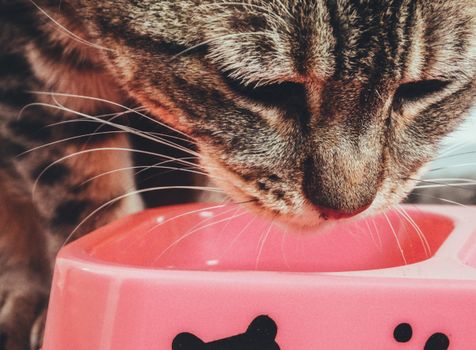
Introduction to Understanding Cat Food Ingredients
Understanding cat food ingredients is crucial for ensuring your feline friend receives the necessary nutrients for optimal health. According to a study by the National Research Council (NRC), a well-balanced diet is essential for maintaining your cat’s overall wellbeing. In this article, we will delve into the world of feline nutrition and explore the intricacies of cat food analysis.
Common Cat Food Additives: What’s Safe and What’s Not
The American Animal Hospital Association (AAHA) 2020 guidelines highlight the importance of monitoring additives in cat food. Some common additives include:
- BHA (Butylated Hydroxyanisole)
- BHT (Butylated Hydroxytoluene)
- Ethoxyquin These additives have potential risks, and safer alternatives are available. For instance, vitamin E can be used as a natural preservative.
Decoding Meat Sources: Understanding ‘Chicken’ and ‘Beef’ on Cat Food Labels
The National Research Council (NRC) 2006 report on cat nutrition explains the differences between various meat sources. Chicken by-product meal and chicken meal are two distinct ingredients with different nutritional values. Chicken by-product meal is a more affordable option but may contain lower-quality protein sources.
The Role of Preservatives in Cat Food: What You Need to Know
The European Food Safety Authority (EFSA) 2014 review of preservatives in pet food highlights the potential health risks associated with certain preservatives. Natural preservatives like rosemary extract and green tea extract are safer alternatives to artificial preservatives.
Crucial Vitamins and Minerals in Cat Food: Are They Adequate?
The Association of American Feed Control Officials (AAFCO) 2020 cat food standards emphasize the importance of essential vitamins and minerals like vitamin A, vitamin D, and vitamin E. These nutrients play a vital role in maintaining your cat’s overall health.
Grain-Free vs. Grain-Inclusive Cat Food: What’s the Best Choice?
A Cornell University College of Veterinary Medicine 2018 review of grain-free cat food highlights the pros and cons of both options. While grain-free diets may be beneficial for some cats, they can also be associated with potential risks like dilated cardiomyopathy.
How to Choose a High-Quality Cat Food Based on Label Claims
The Pet Food Institute (PFI) 2020 guidelines for pet food labeling provide valuable insights into evaluating cat food labels. When choosing a high-quality cat food, consider the following:
- Look for named protein sources like chicken or salmon.
- Check the guaranteed analysis for essential nutrients.
- Be wary of filler ingredients like corn or wheat.
Frequently Asked Questions
What is the best cat food for my cat?
The best cat food for your cat depends on their individual needs and preferences. Consider factors like age, health, and lifestyle when selecting a cat food.
How often should I feed my cat?
The frequency of feeding depends on your cat’s age and activity level. Generally, adult cats require 2-3 meals per day.
Can I make my own cat food?
While it is possible to make your own cat food, it is crucial to ensure the diet is well-balanced and meets your cat’s nutritional needs. Consult with a veterinarian or a qualified animal nutritionist before making any changes.
What are the benefits of grain-free cat food?
Grain-free cat food may be beneficial for cats with food sensitivities or allergies. However, it is essential to weigh the potential benefits against the risks.
How can I transition my cat to a new food?
When transitioning your cat to a new food, do it gradually over a period of 7-10 days to prevent digestive upset.
What is the difference between human-grade and organic cat food?
Human-grade cat food meets the same standards as human food, while organic cat food is made from organic ingredients. Both options can be beneficial, but it is essential to consider the individual needs of your cat.
My Take
As an app developer and professional chef, I have always been passionate about pet nutrition. In my experience, a well-balanced diet is crucial for maintaining a cat’s overall health and wellbeing. I recommend consulting with a veterinarian to determine the best diet for your feline friend.
You might also like
- Decoding cat food labels: hidden ingredients to avoid
- Why cats love boxes: science-backed reasons
- Feline Arthritis Pain Signs in Senior Cats
- how to introduce two adult cats step by step
Practical Summary
- Choose a high-quality cat food with named protein sources.
- Consider your cat’s individual needs and preferences when selecting a cat food.
- Gradually transition your cat to a new food to prevent digestive upset.
- Consult with a veterinarian or a qualified animal nutritionist before making any changes to your cat’s diet.
- Look for guaranteed analysis and named ingredients on the label.
- Be wary of filler ingredients and artificial preservatives.
- Consider grain-free or organic options if your cat has food sensitivities or allergies.
Este artículo contiene enlaces de afiliado. Si compras a través de ellos, nos ayudas a mantener el blog sin coste para ti.
Written by Vladys Z. — App developer and professional chef. Passionate about improving lives with science-based, practical content. Follow me on YouTube.
Sources
- American Animal Hospital Association. (2020). 2020 AAHA Nutrition and Weight Management Guidelines for Dogs and Cats.
- National Research Council. (2006). Nutrient Requirements of Cats.
- European Food Safety Authority. (2014). Scientific Opinion on the Safety and Efficacy of Butylated Hydroxyanisole (BHA) as a Feed Additive for Cats and Dogs.
- Association of American Feed Control Officials. (2020). 2020 Official Publication.
- Cornell University College of Veterinary Medicine. (2018). Grain-Free Diets and Dilated Cardiomyopathy in Dogs and Cats.
Related articles
Compare Hill's Science Diet vs Royal Canin Cat Food
Which high-end cat food brand offers the best nutrition? Find out the protein, ash, and ingredient differences.
Wet vs Dry Cat Food: Studies on Kidney Health
Is your cat's diet harming their kidneys? We explore the science behind wet vs dry cat food.
Sterilized Cat Caloric Needs Diet
Discover the perfect diet for your sterilized cat, based on real caloric needs.