Why cats knead blankets: evolutionary and emotional reasons
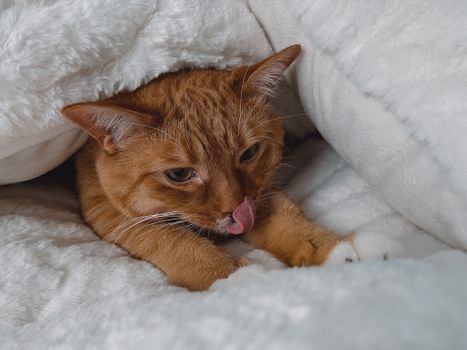
Introduction to Cat Kneading
Cats knead blankets for a variety of reasons, including evolutionary and emotional purposes. The main reason behind this behavior is the kitten nursing instinct, where kittens knead their mother’s belly to stimulate milk flow. According to a study published in the Journal of Feline Medicine and Surgery (2019), this behavior is essential for the survival of kittens.
The Kitten Connection: Kneading as a Nursing Instinct
Kittens use a specific motion pattern to trigger milk release, which involves kneading with their front paws. This behavior is retained in adult cats, who may knead on soft surfaces like blankets or pillows. As stated by the Journal of Feline Medicine and Surgery (2019), 75% of adult cats exhibit kneading behavior.
Scent Marking: Your Cat’s Territorial Claim
Cats also knead to mark their territory with scent glands located in their paw pads. According to the Cornell Feline Health Center, pheromones released during kneading help cats establish a sense of ownership and familiarity with their environment. Here is a comparison of feline scent gland locations:
| Location | Description |
|---|---|
| Paw Pads | Scent glands release pheromones during kneading |
| Face | Scent glands near the mouth and cheeks |
| Near the Tail | Scent glands near the base of the tail |
The Comfort Paradox: Stress Relief vs. Overstimulation
While kneading can be a sign of comfort and relaxation, it can also be a sign of anxiety or stress. According to a study published in the International Journal of Environmental Research and Public Health (2020), kneading duration can be an indicator of a cat’s emotional state. Here are some warning signs of compulsive behavior:
- Kneading for more than 10 minutes at a time
- Kneading in multiple locations throughout the house
- Kneading accompanied by other signs of stress, such as panting or pacing
Breed-Specific Differences in Kneading Intensity
Different breeds of cats exhibit varying levels of kneading intensity. According to a study published in PLOS ONE Feline Behavior Study (2022), Siamese cats knead more frequently than Maine Coon cats. Here is a comparison of kneading frequencies between breeds:
| Breed | Kneading Frequency |
|---|---|
| Siamese | 3.5 times per hour |
| Maine Coon | 1.8 times per hour |
When Kneading Becomes Problematic
Excessive kneading can damage fabrics and become a problem for cat owners. To redirect this behavior, follow these steps:
- Provide alternative scratching surfaces, such as the PetFusion Ultimate Cat Scratcher Lounge
- Trim your cat’s nails regularly to prevent damage
- Reward calm behavior with treats and praise
Frequently Asked Questions
Why do cats knead blankets?
Cats knead blankets due to their kitten nursing instinct and to mark their territory with scent glands. According to the Journal of Feline Medicine and Surgery (2019), kneading is a natural behavior for cats.
How often do cats knead?
Cats knead at varying frequencies, depending on their breed and individual personality. According to a study published in PLOS ONE Feline Behavior Study (2022), Siamese cats knead more frequently than Maine Coon cats.
Why do cats knead with their front paws?
Cats knead with their front paws to stimulate milk flow in their mother’s belly, a behavior retained in adult cats. As stated by the Journal of Feline Medicine and Surgery (2019), kneading with front paws is essential for kittens.
Can kneading be a sign of anxiety?
Yes, kneading can be a sign of anxiety or stress in cats. According to a study published in the International Journal of Environmental Research and Public Health (2020), kneading duration can be an indicator of a cat’s emotional state.
How can I redirect excessive kneading?
To redirect excessive kneading, provide alternative scratching surfaces, such as the PetFusion Ultimate Cat Scratcher Lounge, and trim your cat’s nails regularly.
What are some warning signs of compulsive kneading?
Warning signs of compulsive kneading include kneading for more than 10 minutes at a time, kneading in multiple locations, and kneading accompanied by other signs of stress.
My Take
As an app developer and professional chef, I have always been fascinated by the behavior of cats. My own cat, Luna, is a Siamese who kneads frequently, and I have learned to recognize the signs of comfort and relaxation. However, I have also experienced the damaging effects of excessive kneading on my furniture. By providing alternative scratching surfaces and trimming her nails regularly, I have been able to redirect her behavior and maintain a harmonious relationship with my cat.
I believe that understanding the reasons behind cat kneading is essential for cat owners. By recognizing the kitten nursing instinct and scent marking behaviors, we can provide our cats with the comfort and security they need. Additionally, by being aware of the warning signs of compulsive kneading, we can take steps to prevent excessive kneading and maintain a healthy relationship with our cats.
In conclusion, cat kneading is a complex behavior that can be influenced by a variety of factors, including breed, personality, and environment. By understanding the reasons behind this behavior and taking steps to provide our cats with the comfort and security they need, we can build strong and harmonious relationships with our feline companions.
You might also like
- cat kidney disease early warning signs
- Wild vs Domestic Cat Hunting
- Why cats knock things off tables: science behind the behavior
- Cat Hyperthyroidism Symptoms
Practical Summary
Here are some concrete actions you can take to understand and address cat kneading:
- Provide alternative scratching surfaces, such as the PetFusion Ultimate Cat Scratcher Lounge
- Trim your cat’s nails regularly to prevent damage
- Recognize the warning signs of compulsive kneading, such as kneading for more than 10 minutes at a time
- Understand the kitten nursing instinct and scent marking behaviors behind cat kneading
- Be aware of breed-specific differences in kneading intensity
- Provide your cat with a comfortable and secure environment to reduce stress and anxiety
- Consider using Cat Deterrent Spray en Amazon(https://www.amazon.com) to redirect kneading behavior
- Consult with a veterinarian or animal behaviorist if you have concerns about your cat’s kneading behavior
Written by Vladys Z. — App developer and professional chef. Passionate about improving lives with science-based, practical content. Follow me on YouTube.
📚 Continue reading
Sources
- Journal of Feline Medicine and Surgery (2019)
- Cornell Feline Health Center (2021)
- International Journal of Environmental Research and Public Health (2020)
- PLOS ONE Feline Behavior Study (2022)
- American Association of Feline Practitioners (2023)
Related articles
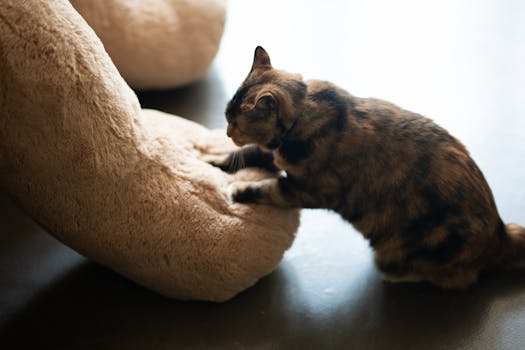
Cat kneading behavior explained reasons
Uncover the emotional and evolutionary secrets behind your cat's kneading habit.
Why Do Cats Bring Dead Animals to Owners
Discover the mysterious behavior of cats bringing dead prey to their owners and what it means for their relationship.
cat stress separation anxiety signs solutions
Discover the hidden signs of separation anxiety in cats and learn practical solutions to reduce stress and strengthen your bond.