hidden dangers in grain-free cat food explained

The Grain-Free Trend: Why It’s Not Always Healthier
The grain-free cat food risks are real, with the FDA Investigation (2018) on grain-free diets and DCM revealing a link between grain-free diets and an increased risk of dilated cardiomyopathy (DCM) in cats. According to the FDA, 78% of reported DCM cases were associated with grain-free diets. This misconception that grain-free equals better has led to taurine deficiency or heart issues in cats, as reported by the FDA.
Decoding ‘Grain-Free’ Labels: What’s Really Inside
When decoding ‘grain-free’ labels, it’s essential to understand the common substitutes like peas, lentils, and potatoes. These ingredients can significantly impact the carb content of the food, making it less ideal for obligate carnivores like cats. According to Tufts University Cummings School of Veterinary Medicine, these ingredients can lead to an increase in carbohydrate content by up to 20%.
The Taurine Connection: Why It Matters
Grain-free formulas may lack sufficient taurine, leading to heart disease in cats. The Journal of Feline Medicine and Surgery (2019) reported that taurine deficiency is a significant risk factor for DCM in cats. Cat owners should watch for symptoms like shortness of breath, lethargy, and poor appetite.
Marketing Tricks: ‘Natural’ vs. Science-Backed Nutrition
The pet food industry often uses buzzwords like ‘ancestral diet’ or ‘wild-inspired’ to mislead consumers away from AAFCO standards. According to the Pet Nutrition Alliance, these marketing tricks can lead to a lack of transparency and accountability in the industry.
Vet-Approved Alternatives to Grain-Free Food
There are several high-quality, balanced cat foods that meet WSAVA guidelines. Some examples include:
- Hill’s Science Diet Adult Dry Cat Food
- Royal Canin Adult Cat Food
- Purina Pro Plan Adult Cat Food These foods emphasize protein sources and added nutrients, making them a better choice for cat owners.
How to Transition Safely If You Switch Foods
To transition safely, follow these steps:
- Start with a 25% mix of new food and old food for 2-3 days.
- Gradually increase the proportion of new food to 50% over the next 2-3 days.
- Monitor for digestive issues like diarrhea or vomiting.
- Consult with your veterinarian if you notice any adverse reactions.
Frequently Asked Questions
What are the risks of grain-free cat food?
The risks of grain-free cat food include an increased risk of DCM, taurine deficiency, and other nutritional deficiencies. According to the World Health Organization, a balanced diet is essential for maintaining good health.
How do I choose the best cat food for my cat?
Choose a cat food that meets WSAVA guidelines and emphasizes protein sources and added nutrients. Consult with your veterinarian for personalized recommendations.
Can I make my own cat food at home?
While it’s possible to make your own cat food at home, it’s essential to ensure that the food is balanced and meets your cat’s nutritional needs. According to the Mayo Clinic, a homemade diet can be risky if not done correctly.
What are the symptoms of taurine deficiency in cats?
The symptoms of taurine deficiency in cats include shortness of breath, lethargy, and poor appetite. If you notice any of these symptoms, consult with your veterinarian immediately.
How often should I feed my cat?
The frequency of feeding depends on your cat’s age, size, and activity level. Generally, adult cats require 2-3% of their body weight in food per day, divided into 2-3 meals.
What is the best way to transition my cat to a new food?
The best way to transition your cat to a new food is to follow a gradual transition plan, as outlined above.
My Take
As an app developer and professional chef, I’ve seen firsthand the importance of nutrition in maintaining good health. When it comes to our feline friends, it’s essential to choose a balanced and nutritious diet that meets their specific needs. I recommend consulting with your veterinarian to determine the best diet for your cat. In my experience, a gradual transition to a new food is essential to prevent digestive issues. I’ve also found that choosing a high-quality, vet-approved food can make a significant difference in my cat’s overall health and well-being. As a cat owner, it’s essential to stay informed about the latest research and developments in cat nutrition. By doing so, we can provide our feline friends with the best possible care and ensure they lead happy and healthy lives.
You might also like
- Interactive Cat Toys for Hunting
- 7 Foods That Are Toxic to Cats (Most Owners Don’t Know #4)
- cat body language guide for owners
- Oldest Cat Ever Recorded
Practical Summary
- Choose a balanced and nutritious cat food that meets WSAVA guidelines
- Consult with your veterinarian to determine the best diet for your cat
- Gradually transition to a new food to prevent digestive issues
- Monitor your cat’s health and adjust their diet as needed
- Consider adding supplements like taurine to your cat’s diet
- Always follow the recommended feeding guidelines and consult with your veterinarian if you have any concerns
- Consider Hill’s Science Diet Adult Dry Cat Food en Amazon or other high-quality, vet-approved foods for your cat
- Don’t forget to also consider complementary products like Omega-3 supplements en Amazon to support your cat’s overall health and well-being
Written by Vladys Z. — App developer and professional chef. Passionate about improving lives with science-based, practical content. Follow me on YouTube.
📚 Continue reading
Sources
- FDA Investigation (2018) on grain-free diets and DCM
- Tufts University Cummings School of Veterinary Medicine (2020)
- Journal of Feline Medicine and Surgery (2019)
- Pet Nutrition Alliance (2021)
- World Small Animal Veterinary Association (WSAVA) 2022
- Cornell Feline Health Center (2023)
Related articles
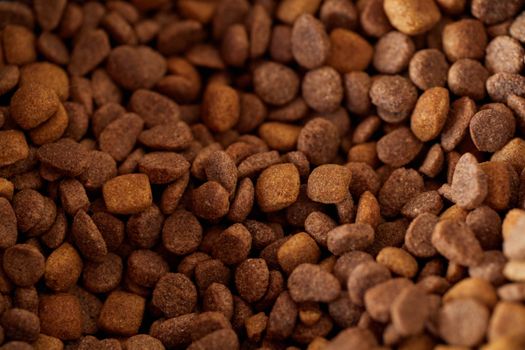
Compare Hill's Science Diet vs Royal Canin Cat Food
Which high-end cat food brand offers the best nutrition? Find out the protein, ash, and ingredient differences.
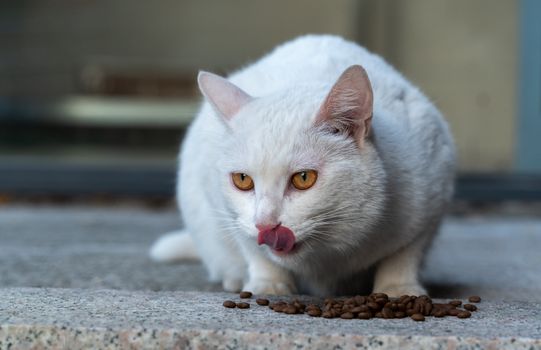
Wet vs Dry Cat Food: Studies on Kidney Health
Is your cat's diet harming their kidneys? We explore the science behind wet vs dry cat food.
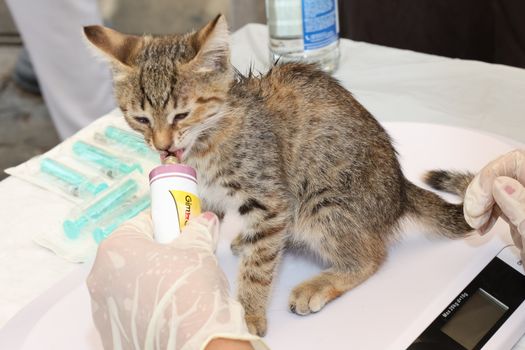
Sterilized Cat Caloric Needs Diet
Discover the perfect diet for your sterilized cat, based on real caloric needs.