Foods Toxic to Cats List
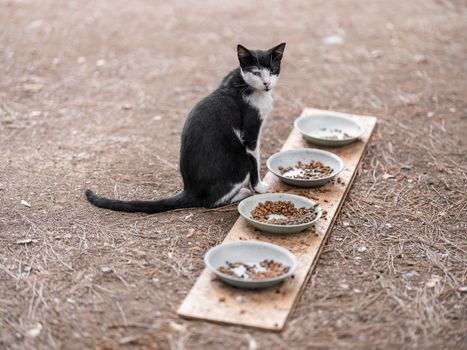
Introduction to Toxic Foods
If you’re a cat owner, it’s essential to know that some common household foods are toxic to cats. According to the ASPCA, foods like onions, garlic, and grapes can be poisonous to your feline friend. A study by the University of California, Davis (2018) found that onion and garlic toxicity can cause damage to a cat’s red blood cells, leading to anemia.
Toxicity Levels of Common Foods
The Pet Poison Helpline (2020) provides a detailed list of toxic foods for cats, ranked by toxicity level. The list includes:
| Food | Toxicity Level | Symptoms |
|---|---|---|
| Onions | High | Vomiting, diarrhea, lethargy |
| Garlic | High | Vomiting, diarrhea, lethargy |
| Grapes | High | Vomiting, diarrhea, kidney failure |
| Chocolate | Medium | Vomiting, diarrhea, increased heart rate |
| Caffeine | Medium | Vomiting, diarrhea, increased heart rate |
Prevention and Safety Measures
To prevent accidental ingestion of toxic foods, it’s crucial to cat-proof your kitchen. The American Veterinary Medical Association (2019) recommends storing toxic foods in secure locations and keeping your cat out of the kitchen while cooking. You can also use a Cat Proofing Kit to secure your cabinets and drawers.
Recognizing Symptoms of Food Poisoning
If your cat ingests a toxic food, it’s essential to recognize the symptoms of food poisoning. According to the Cornell University College of Veterinary Medicine (2021), common symptoms include vomiting, diarrhea, and lethargy. If you suspect your cat has ingested a toxic food, contact your veterinarian or the ASPCA Animal Poison Control Center immediately.
Emergency Response and Treatment
If your cat ingests a toxic food, every minute counts. The ASPCA Animal Poison Control Center (2022) recommends following these steps:
- Remain calm and contact your veterinarian or the ASPCA Animal Poison Control Center.
- Provide as much information as possible about the toxic food and the amount ingested.
- Follow the recommended treatment plan, which may include inducing vomiting or administering activated charcoal.
Safe Alternatives to Toxic Foods
If you’re looking for cat-safe foods and treats, consider the following options:
| Food | Safety Level | Nutritional Value |
|---|---|---|
| Chicken | High | High protein, low fat |
| Green Beans | High | Low calorie, high fiber |
| Sweet Potatoes | High | High fiber, rich in vitamins |
Frequently Asked Questions
What are the most toxic foods for cats?
The most toxic foods for cats include onions, garlic, grapes, and chocolate. According to the Mayo Clinic, these foods can cause severe symptoms and even death if ingested in large amounts.
How can I prevent my cat from ingesting toxic foods?
To prevent your cat from ingesting toxic foods, store them in secure locations and keep your cat out of the kitchen while cooking. You can also use a Cat Proofing Kit to secure your cabinets and drawers.
What are the symptoms of food poisoning in cats?
Common symptoms of food poisoning in cats include vomiting, diarrhea, lethargy, and increased heart rate. If you suspect your cat has ingested a toxic food, contact your veterinarian or the ASPCA Animal Poison Control Center immediately.
Can I give my cat a little bit of chocolate as a treat?
No, it’s not recommended to give your cat any amount of chocolate as a treat. Chocolate contains a toxic compound called theobromine, which can cause severe symptoms and even death if ingested in large amounts.
How can I keep my cat safe from toxic foods during the holidays?
To keep your cat safe from toxic foods during the holidays, make sure to store all toxic foods in secure locations and keep your cat out of the kitchen while cooking. You can also consider using a Pet Camera to monitor your cat’s activity while you’re away.
My Take
As a cat owner and professional chef, I understand the importance of keeping toxic foods out of reach of my feline friend. I always make sure to store toxic foods in secure locations and keep my cat out of the kitchen while cooking. I also recommend using a Cat Proofing Kit to secure your cabinets and drawers. I’ve had personal experience with a cat ingesting a toxic food, and it was a terrifying ordeal. Luckily, I was able to get my cat to the vet in time, and she made a full recovery. However, the experience taught me the importance of being vigilant and taking steps to prevent accidental ingestion of toxic foods. If you’re a cat owner, I recommend taking the necessary precautions to keep your cat safe from toxic foods. With a little bit of planning and vigilance, you can help prevent accidental ingestion and keep your cat healthy and happy.
You might also like
- Senior Cat Hydration Tips
- Socializing Cats with Fear Aggression
- Cat Longest Jump Record
- Wet vs Dry Food
Practical Summary
- Keep toxic foods in secure locations
- Keep your cat out of the kitchen while cooking
- Use a Cat Proofing Kit to secure your cabinets and drawers
- Monitor your cat’s activity while you’re away using a Pet Camera
- Contact your veterinarian or the ASPCA Animal Poison Control Center immediately if you suspect your cat has ingested a toxic food
- Provide your cat with cat-safe foods and treats, such as chicken, green beans, and sweet potatoes
- Consider using a Food Puzzle Toy to keep your cat entertained and stimulated
Written by Vladys Z. — App developer and professional chef. Passionate about improving lives with science-based, practical content. Follow me on YouTube.
📚 Continue reading
Sources
- ASPCA. (2022). Toxic and Non-Toxic Plant List.
- Pet Poison Helpline. (2020). Top 10 Pet Toxins.
- American Veterinary Medical Association. (2019). Preventing Accidental Ingestion of Toxic Substances.
- Cornell University College of Veterinary Medicine. (2021). Food Poisoning in Cats.
- ASPCA Animal Poison Control Center. (2022). Emergency Response and Treatment.
Related articles
Compare Hill's Science Diet vs Royal Canin Cat Food
Which high-end cat food brand offers the best nutrition? Find out the protein, ash, and ingredient differences.
Wet vs Dry Cat Food: Studies on Kidney Health
Is your cat's diet harming their kidneys? We explore the science behind wet vs dry cat food.
Sterilized Cat Caloric Needs Diet
Discover the perfect diet for your sterilized cat, based on real caloric needs.