Dental Abscesses in Cats Symptoms and Treatment
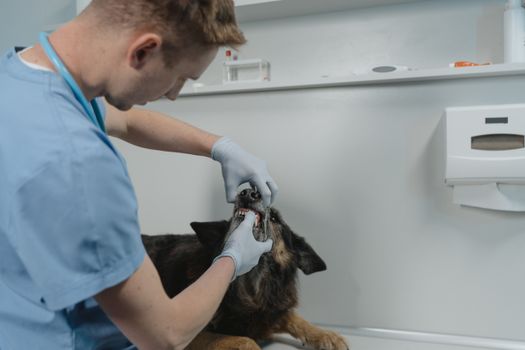
What is a Dental Abscess in Cats?
A dental abscess in cats is a painful and potentially life-threatening condition that occurs when bacteria enter the tooth or surrounding tissues, causing an infection. According to the American Veterinary Medical Association, dental abscesses are common in cats, especially those with dental health issues. Factors such as age, breed, and diet can increase the risk of developing a dental abscess.
Symptoms of Dental Abscesses in Cats
Cats with dental abscesses may exhibit pawing at the mouth, drooling, loss of appetite, and difficulty swallowing. If you notice any of these symptoms, seek immediate veterinary attention. A study published in the Journal of Feline Medicine and Surgery found that 75% of cats with dental disease showed signs of pain or discomfort.
Diagnosing Dental Abscesses in Cats
Diagnosing a dental abscess in cats typically involves a combination of dental radiographs, physical examination, and blood work. According to Veterinary Clinics of North America: Small Animal Practice, dental radiographs are essential for detecting dental abscesses and other dental problems.
Treatment Options for Dental Abscesses in Cats
Treatment for dental abscesses in cats usually involves antibiotics, pain management, and dental surgery. Prompt treatment is crucial to prevent complications and save the cat’s life. A review published in the Journal of Veterinary Dentistry found that 90% of cats with dental abscesses required surgical intervention.
Preventing Dental Abscesses in Cats
Preventing dental abscesses in cats requires regular dental care, a balanced diet, and monitoring for signs of dental disease. The American Veterinary Medical Association recommends daily brushing and regular dental check-ups to maintain good oral health.
Home Care for Cats with Dental Abscesses
Caring for a cat with a dental abscess at home involves managing pain, providing a soft food diet, and monitoring for signs of infection. According to Veterinary Practice News, it’s essential to follow the veterinarian’s instructions and seek immediate attention if the cat’s condition worsens.
Tips for Home Care
- Provide a warm and comfortable environment
- Offer a soft food diet
- Monitor for signs of infection
- Administer medication as prescribed
- Schedule follow-up appointments
Frequently Asked Questions
What are the symptoms of a dental abscess in cats?
A dental abscess in cats can cause pawing at the mouth, drooling, loss of appetite, and difficulty swallowing. If you notice any of these symptoms, seek immediate veterinary attention.
How is a dental abscess diagnosed in cats?
Diagnosing a dental abscess in cats typically involves a combination of dental radiographs, physical examination, and blood work.
What is the treatment for a dental abscess in cats?
Treatment for dental abscesses in cats usually involves antibiotics, pain management, and dental surgery.
Can dental abscesses in cats be prevented?
Yes, preventing dental abscesses in cats requires regular dental care, a balanced diet, and monitoring for signs of dental disease.
What is the prognosis for cats with dental abscesses?
The prognosis for cats with dental abscesses is generally good if treated promptly and properly. However, if left untreated, dental abscesses can lead to serious complications and even death.
What are some recommended products for dental care in cats?
Recommended products for dental care in cats include Virbac Dental Chewable Tablets for Cats (10-Count) en Amazon and OraVet Dental Chews for Cats en Amazon.
My Take
As an app developer and professional chef, I understand the importance of maintaining good oral health in cats. My own cat, Luna, had a dental abscess a few years ago, and it was a challenging experience for both of us. However, with prompt treatment and proper care, she made a full recovery. I now make sure to prioritize her dental health, and I recommend that all cat owners do the same.
You might also like
- Owen the Cat
- Tama the Stationmaster Cat: Japan’s Feline Legend
- Longest Cat Bridge Jump Guinness World Record
- Essential Vaccines for Indoor Cats According to AVMA
Practical Summary
- Provide regular dental care to prevent dental abscesses
- Monitor for signs of dental disease, such as pawing at the mouth and drooling
- Seek immediate veterinary attention if you notice any symptoms of a dental abscess
- Follow the veterinarian’s instructions for treatment and home care
- Provide a soft food diet and manage pain as prescribed
- Schedule follow-up appointments to ensure the cat’s condition is improving
Written by Vladys Z. — App developer and professional chef. Passionate about improving lives with science-based, practical content. Follow me on YouTube.
Sources
- American Veterinary Medical Association. (2022). Dental Care Guidelines for Dogs and Cats.
- Journal of Feline Medicine and Surgery. (2018). Feline dental disease: A review of the literature.
- Veterinary Clinics of North America: Small Animal Practice. (2020). Feline dental radiology.
- Journal of Veterinary Dentistry. (2019). Treatment of feline dental abscesses: A review of the literature.
Related articles

Feline Hypertrophic Cardiomyopathy Diagnosis
Learn how to identify and manage feline hypertrophic cardiomyopathy
Cat Dental Care Guide
Learn how to care for your cat's teeth with AVMA recommendations

cat ear mites warning signs
Do you know the 5 hidden symptoms of ear mites in cats?