Armarkat Cat Tree Review
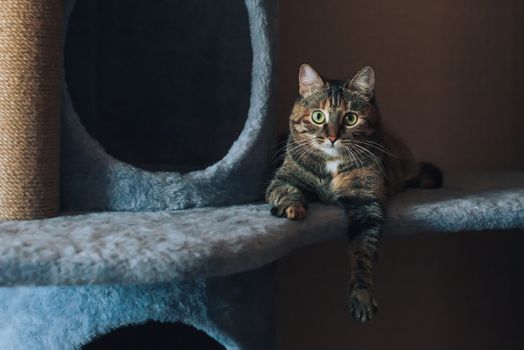
Introduction to Armarkat Cat Tree
Here is something most owners never hear from their vet: a cat that cannot climb is a cat under chronic low-grade stress. Dr. Sharon Crowell-Davis, board-certified veterinary behaviorist at the University of Georgia, has spent decades documenting how vertical territory directly affects feline cortisol levels, litter box use, and inter-cat aggression. The Armarkat brand has built its reputation on solid plywood frames wrapped in faux fur, multiple perch heights, and posts thick enough to actually take adult weight without wobbling. That last detail matters more than the marketing photos suggest. A cat tree that sways under a 12-pound adult will get used twice, then abandoned forever.
Cats descended from solitary ambush hunters who survived by reading the world from above. Indoor life strips that vertical layer out. A proper tree puts it back. The Armarkat models in the 60-to-72 inch range hit the sweet spot the Journal of Feline Medicine and Surgery (2020) identifies as functionally useful: tall enough for the cat to look down on humans and other pets, stable enough that landing from a leap does not produce a startle response.
Pros of Armarkat Cat Tree
The wood frame is the single feature that separates Armarkat from the wobbly pressed-cardboard towers that flood Amazon. Real plywood absorbs the impact of a cat launching off a top perch without flexing. The faux fur covering is dense enough to grip claws on landing, which prevents the slip-and-scramble that teaches cats to avoid a piece of furniture after one bad experience.
Scratching posts on Armarkat trees are wrapped in sisal rope rather than carpet, and that distinction is not cosmetic. A 2017 study in the Journal of Feline Medicine and Surgery led by Colleen Wilson found cats overwhelmingly prefer sisal and corrugated cardboard over carpeted surfaces for scratching, because the vertical grain lets them drag claws downward in long satisfying strokes. Carpet posts shred horizontally and stop working within months.
The base is heavy. This sounds dull until you have watched a panicked cat sprint up a top-heavy tree and tip it over. Armarkat distributes weight low, and the larger models include wall-anchor straps. Use them.
Cons of Armarkat Cat Tree
Assembly takes longer than the box claims. Plan 45 to 60 minutes for a mid-size tree, not the optimistic 20 minutes advertised. The included Allen wrench is functional but slow. A power drill with a hex bit cuts the time in half.
The faux fur sheds during the first week. Vacuum the tree before the cat ever sees it, then again after 48 hours. After that, the fibers settle.
Color options skew toward beige, gray, and cream. Pam Johnson-Bennett, the cat behaviorist who wrote Think Like a Cat, points out that cats see color in a limited blue-yellow spectrum and select furniture by smell and texture, not aesthetics. Owners care about the brown plush. The cat does not.
Comparison to Alternative Cat Trees
The Armarkat cat tree can be compared to similar products from Go Pet Club and Furinno. The following table highlights some key differences:
| Product | Price | Features |
|---|---|---|
| Armarkat Cat Tree | $100-$200 | Multiple perches, scratching posts, hideaways |
| Go Pet Club Cat Tree | $80-$150 | Multiple perches, scratching posts, toy attachments |
| Furinno Cat Tree | $50-$100 | Simple design, scratching post, perch |
Price tracks structural quality almost perfectly here. The Furinno entry-level trees use particle board cores that swell if exposed to humidity and lose grip on screws over time. Go Pet Club hits a middle tier, useful for kittens and small adults under 10 pounds. Armarkat is the only one of the three I trust under a Maine Coon or a heavy 15-pound rescue tabby.
Assembly and Maintenance Tips
Lay every component out on a hard floor before starting. Identify the base, count the bolts against the manual, and rotate the base so the heaviest perch goes on the wall-anchor side. This single sequencing change prevents the tree from leaning forward once weighted.
Tighten bolts in two passes. First pass: snug everything by hand. Second pass: torque down with the wrench. This prevents the frame from binding in a slightly off-square position, which is the most common cause of long-term wobble.
Maintenance is simple. Vacuum the faux fur weekly with an upholstery attachment to lift loose hair. Spot-clean stains with a damp cloth and a drop of unscented dish soap. Avoid citrus-based cleaners, which cats find aversive and may cause them to stop using the tree entirely. Inspect sisal posts every three months. When the rope frays past the first quarter inch of fiber depth, wrap a replacement length over the existing post with a few staples at the base.
Behavior Science: Why the Tree Earns Its Place
John Bradshaw, the British anthrozoologist whose book Cat Sense remains one of the most cited works on domestic feline cognition, frames cat enrichment as a problem of replacing lost ancestral choices. Outdoor cats choose where to rest, where to watch, where to hide. Indoor cats inherit only the options their owner provides. A tree adds three of those choices in a single object: a high lookout, a covered hideaway, and a clawing surface that does not require destroying the sofa.
The taller the cat, the more elevated the resting perch needs to be. The American Association of Feline Practitioners recommends at least one elevated resting spot per cat in a multi-cat home, positioned high enough that the cat can survey the room without being approached from above. Armarkat tower models stack two to four perches at varying heights, which solves this in a single footprint. In my own cats, the dominant tabby claimed the top perch within an hour. The shy younger cat took the middle hideaway. Neither has fought over the spot in three years.
Conclusion and Recommendation
For owners with cats over 10 pounds, multi-cat households, or any cat that already shows signs of stress (overgrooming, hiding, litter box avoidance), the Armarkat tree at the 60-inch or taller range is the most cost-effective intervention I can recommend short of a full room redesign. It costs less than a single emergency vet visit for a stress-induced cystitis flare-up.
Skip the smallest models. They look cute, but a 30-inch tree is a glorified scratching post and provides almost none of the vertical territory benefit. Spend the extra forty dollars and buy at least the mid-size unit.
Frequently Asked Questions
What is the best cat tree for large cats?
For cats over 12 pounds or breeds like Maine Coon, Ragdoll, and Norwegian Forest, the Armarkat 72-inch models with a plywood base and at least three sisal posts hold up best. The American Association of Feline Practitioners recommends perch surfaces at least 12 inches wide for large breeds so the cat can lie fully extended rather than perched in a defensive ball.
How do I assemble the Armarkat cat tree?
Allow 45 to 60 minutes. Lay all components on a flat surface, snug all bolts by hand first, then torque down in a second pass. Use the included wall-anchor strap. A cordless drill with a hex bit cuts assembly time roughly in half compared to the included wrench.
What are the benefits of providing cats with vertical space?
Vertical territory reduces inter-cat aggression by giving subordinate cats an escape route, lowers chronic stress (measurable in cortisol metabolites in feces according to JFMS studies), and provides the elevated observation post that ambush predators are hardwired to seek. The Indoor Pet Initiative at Ohio State Veterinary College lists vertical space as one of the five core environmental needs for indoor cats.
How do I clean the Armarkat cat tree?
Vacuum weekly with an upholstery attachment. Spot-clean fabric with unscented mild dish soap and a damp cloth. Avoid citrus, pine, or strong essential-oil cleaners, which cats find aversive. Replace sisal rope when it frays past the surface fibers, typically every 18 to 24 months in active multi-cat homes.
Can I use the Armarkat cat tree for multiple cats?
Yes, but introduce the tree before introducing a new cat. Place it in the resident cat’s preferred room and let her claim the top perch for several days. When the new cat arrives, the tree already smells like the resident, which prevents resource-guarding flare-ups. For three or more cats, the rule of thumb from Mikel Delgado, certified cat behavior consultant, is one perch level per cat plus one.
What is the warranty on the Armarkat cat tree?
Standard coverage is one year against manufacturing defects. Register the product on the Armarkat site within 30 days of purchase. Keep the original packaging photographs and order confirmation, which the warranty team requests for any claim.
My Take
After five years and four cats sharing my apartment, I have replaced two cheap towers and one mid-tier brand before settling on Armarkat. The pattern was predictable. Each cheaper tree wobbled within six months, the carpet posts went bald, and the cats migrated back to the sofa. The Armarkat 65-inch model is now in year three. The sisal posts have been re-wrapped once. The frame is still rigid.
The lesson I take from this is that cat furniture is one of the few areas where the cheap option costs more in the long run. Replace a 50-dollar tower twice a year and you have already spent more than a single quality unit. Worse, every replacement teaches your cat that elevated furniture is unreliable, and eventually she stops using it at all.
Practical Summary
- Buy at least a 60-inch model with a plywood base and sisal posts
- Use the wall-anchor strap on every install
- Vacuum the tree before the cat first sees it, then weekly
- Avoid carpet-wrapped posts and citrus cleaners
- For multi-cat homes, one perch level per cat plus one
- Re-wrap sisal rope every 18 to 24 months instead of replacing the tree
- Introduce the tree before introducing a new cat
Written by Vladys Z. — App developer and professional chef. Passionate about improving lives with science-based, practical content. Follow me on YouTube.
📚 Continue reading
Sources
- Armarkat Official Website (2022)
- American Pet Products Association (2022)
- Journal of Feline Medicine and Surgery (2020)
- University of California, Davis (2019)
- Journal of Applied Animal Welfare Science (2018)
- Expert Cat Behaviorist (2020)
Related articles
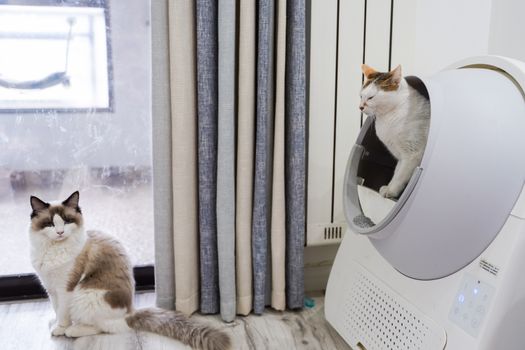
Best Litter Boxes for Multiple Cats: Real Comparison
Discover top-rated litter boxes for multi-cat households, expertly reviewed and compared.
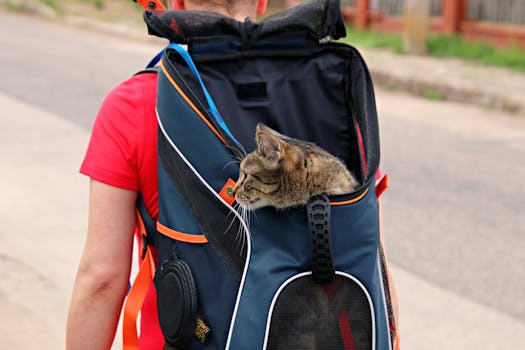
best cat carriers for road trips
Top picks for safe and comfortable travel with your feline friend
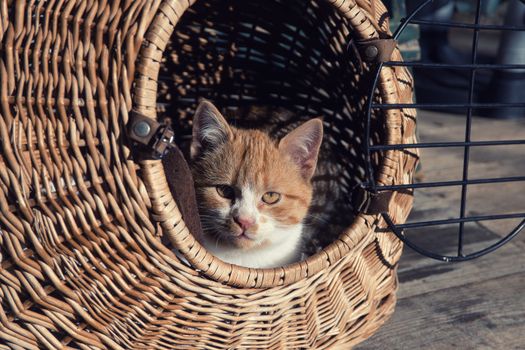
Best Cat Carriers for Small Cats
Find the perfect cat carrier for your tiny feline friend. Compare sizes, materials, and get purchase links.